
Guide

How to turn a room list into a cleaner sourcing conversation.

A guide to using room-by-room logic as a working bridge between drawings, BOQ language, and category outreach instead of leaving each request to interpret the project alone.

Room logicScope translationCategory alignment
Room planning image used to represent room-list thinking in sourcing coordination.
Room logic can reduce sourcing noise when it becomes part of the working conversation, not just a schedule attachment.

A room list is often treated as background paperwork, but it can be one of the clearest ways to keep sourcing discussion connected to how the project will actually be used.

Use the room list as a translation layer

When furniture, finishes, or fittings are discussed without room-by-room context, the sourcing conversation becomes too abstract. A room list gives each request a place, a priority, and a functional frame.

Furniture layout image illustrating room-by-room sourcing logic.
Area context helps the team ask better sourcing questions before details spread into generic category lists.

This does not mean the room list has to answer every design question. It only needs to carry enough use, area, and hierarchy logic so later follow-up can stay tied to something concrete.

Keep the list readable across categories

The strongest room lists are not overloaded. They show just enough to help furniture, surfaces, lighting, or sanitary packages read the same project intent without creating another full specification document.
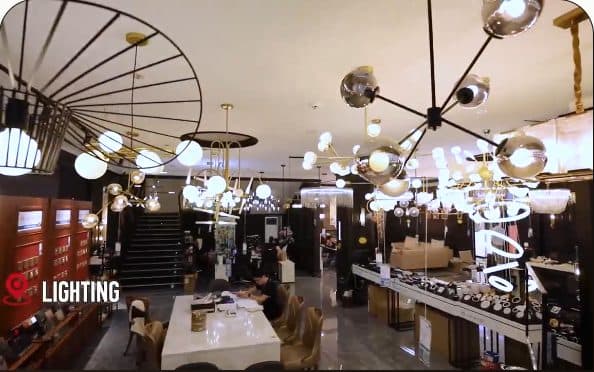
Lighting composition used to suggest room-level coordination and hierarchy.
A light but consistent room structure often improves comparison more than adding another heavy layer of notes.

Used that way, the room list becomes one of the cleanest bridges between project intent and sourcing execution.
Read Next

Related insights for the next sourcing conversation.

Continue with a few adjacent reads while scope, quotation basis, and material direction are still taking shape.

Surface-focused image used to represent inspection visibility and project tracking before shipment.
Guide

How project tracking and inspection reporting protect order visibility.

Project tracking is most useful before warehousing and loading become the only visible stage. This guide stays in that earlier visibility window.

Read the insight
Guide

What Information Helps a Supplier Prepare a Clearer Multi-Category Sourcing Proposal.

A guide to the inputs that make an early sourcing proposal clearer across categories, easier to compare, and less likely to return later as avoidable rework.

Project material image used to represent shipping terms and quotation basis in B2B sourcing.
Guide

A Practical Guide to B2B Building Material Shipping Terms.

A project-facing introduction to EXW, FOB, CIF, CIP, CFR, DDP, and DDU, with a focus on quotation basis, risk transfer, and delivery responsibility in B2B material sourcing.

Read the insight

Project Inquiry

Have drawings, BOQ, room list, or a material brief ready for the next sourcing conversation?

If this reading direction maps to a live project, send the working inputs so the next step can move into scope review, quotation basis, and coordinated material follow-up.

Start a Project Inquiry

Best Inputs to Share

Drawings
BOQ
Room list
Material brief

Keep the conversation project-facing from the next step onward: share the live working inputs rather than opening with a generic contact request.