Commercial lighting should not begin with isolated model numbers. In a real project, each fixture has to work with the ceiling structure, room function, material palette, brightness expectation, installation condition, and overall atmosphere.
George helps project teams turn drawings, BOQ, room schedules, ceiling details, and design references into practical lighting sourcing directions. Instead of treating lights as separate products, we review how office lights, spotlights, downlights, track lights, magnetic lighting, linear lighting, aluminum grooves, and custom feature fixtures can work together across the project.
For offices, retail stores, hotels, restaurants, lobbies, corridors, galleries, public areas, and commercial interiors, the right lighting plan depends on more than appearance. It depends on where the fixture is installed, how the ceiling is built, what the space needs to highlight, and how the lighting should support the final interior experience.
“Good commercial lighting is not only about choosing fixtures; it is about aligning ceiling conditions, visual comfort, material finishes, and project documentation before sourcing moves forward.”
Start With the Space, Not the SKU
A commercial lighting review should begin with the space itself.
An office may need clean, even lighting for work areas, meeting rooms, corridors, and reception zones. A retail space may need accent lighting for displays, adjustable lighting for changing layouts, and clear light quality for products. A hotel lobby or restaurant may need warmer atmosphere, layered lighting, and feature fixtures that help shape the guest experience.
George can help review lighting directions based on room function and traffic flow; ceiling type and installation condition; target atmosphere and visual comfort; fixture style and interior finishes; BOQ, room schedule, and drawing requirements; and whether the space needs general lighting, accent lighting, display lighting, or decorative feature lighting.
This helps project teams avoid selecting products too early. A fixture that looks suitable in a catalog may still need to be checked against ceiling depth, installation method, beam direction, material finish, and room usage.
Match Fixtures to Ceiling Conditions and Installation Method
Commercial lighting is closely connected to ceiling design. The same space may require recessed, surface-mounted, hanging, integrated ceiling, or linear installation methods depending on the construction condition.
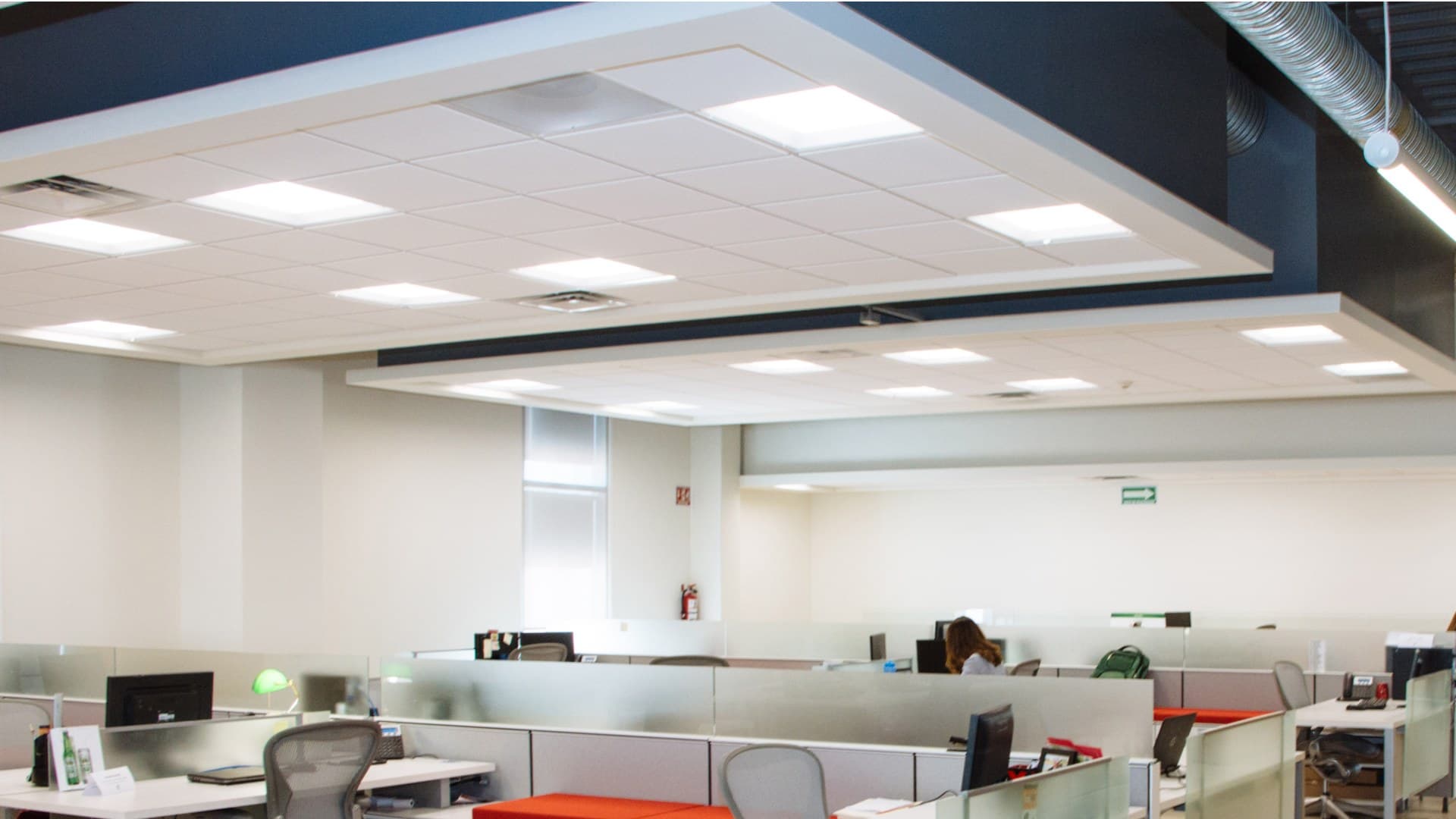
George commercial lighting references include office lighting options for recessed mounting, surface mounting, hanging mounting, and integrated ceiling applications. Panel lights can also be reviewed by ceiling grid, room layout, and installation method. These options help project teams match lighting direction to the actual site condition rather than forcing one fixture type across every area.
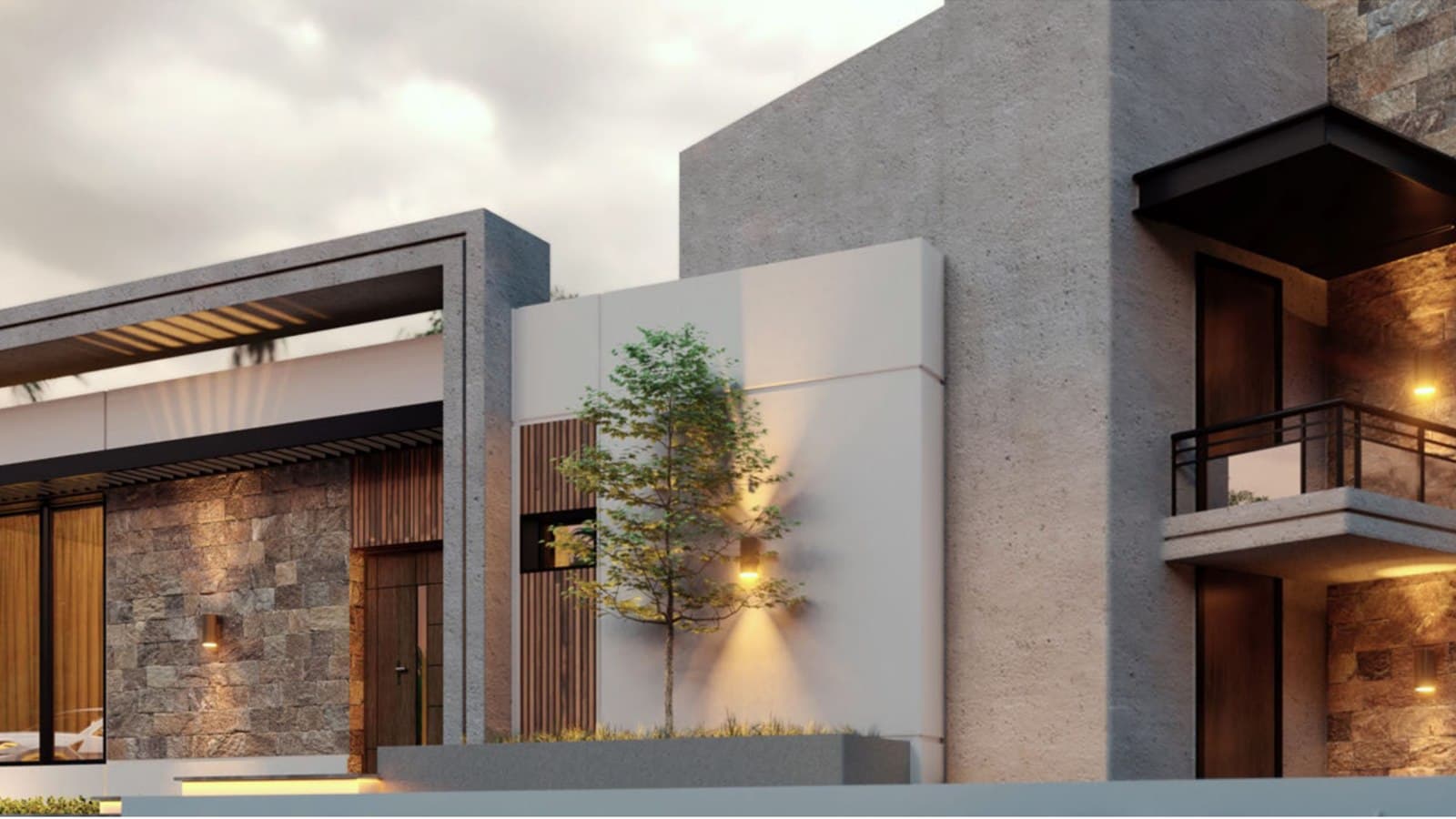
Where ceiling recess is available, recessed spotlights or downlights can help create a clean visual line. Where recess is limited, surface-mounted downlights and spotlights may offer a more practical direction. For flexible commercial spaces, track lighting and magnetic lighting can support adjustable fixture positioning and layered lighting effects.
The key question is not only which light looks good, but also whether the fixture can be installed cleanly in this ceiling condition and whether it supports the way the space will be used.
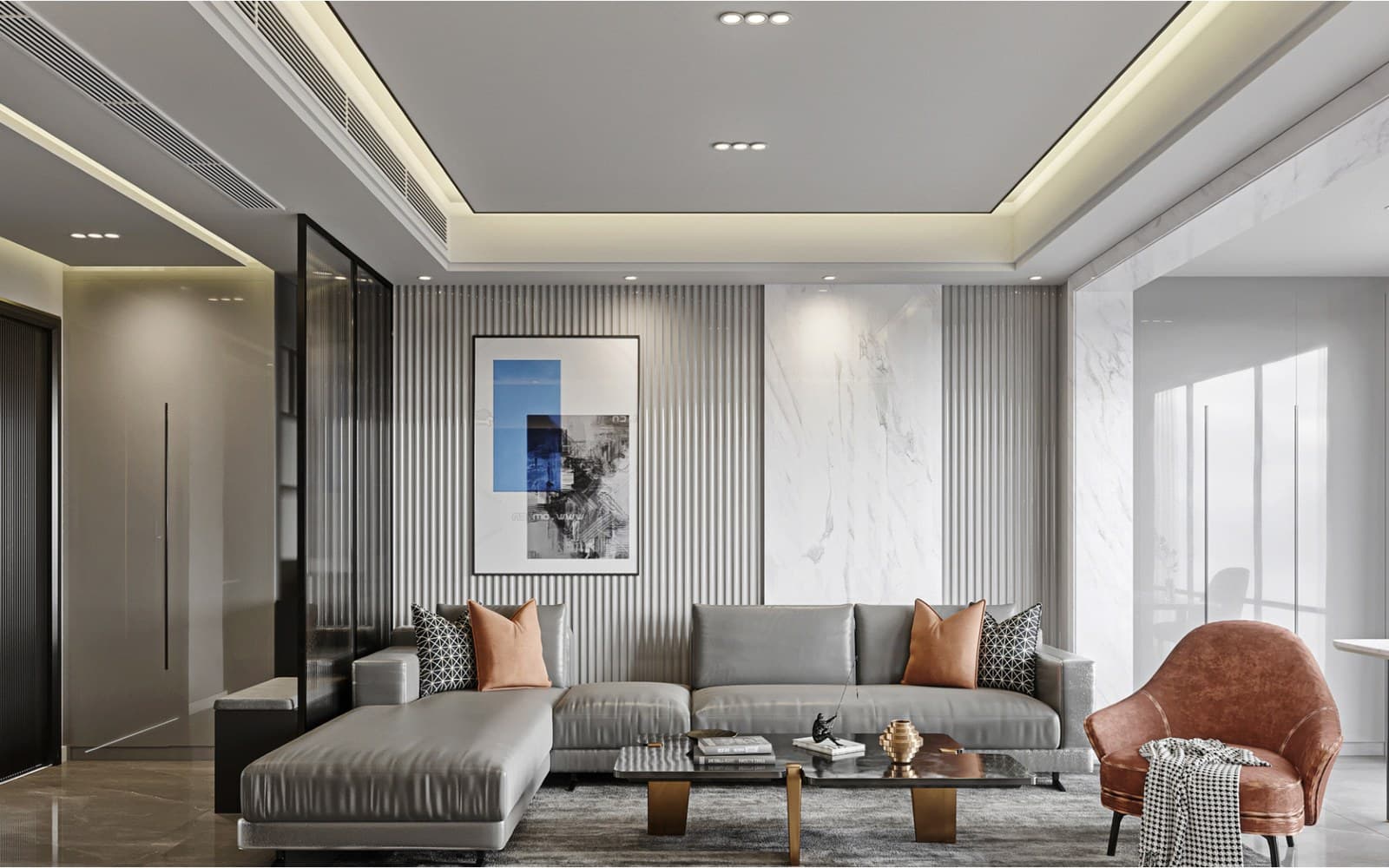
Choose the Right Light Quality: CCT, CRI, and Beam Angle
Light quality affects how people experience a space.
Color temperature can shape the feeling of a room. Warmer lighting can support hospitality, dining, lounge, and relaxed interiors. Neutral or clearer lighting can support office, retail, display, and work-focused spaces. George can help project teams review color temperature direction according to the room schedule and design intent.
Color rendering is also important when materials, products, artworks, fabrics, food, or finishes need to be seen accurately. Selected high-CRI lighting options may be reviewed for spaces where color appearance matters, such as retail displays, restaurants, galleries, showrooms, and feature areas. This should be considered during specification review rather than added as an afterthought.
Beam angle is another key selection point. Narrower beams can help highlight objects, displays, artwork, or focal walls. Wider beams can support softer general lighting or broader coverage. The right beam angle depends on task, focal object, mounting height, room size, and desired atmosphere.
For commercial projects, George can help review these lighting factors together so that fixture direction, visual comfort, and space function stay aligned.
Build the Fixture Mix: Office Lights, Spotlights, Downlights, Track, and Magnetic Track
Commercial lighting usually needs a fixture mix rather than one single product type.
Office lighting can support work zones, meeting rooms, corridors, and reception areas. Spotlights can be used for accent lighting, display lighting, and task-focused areas. Downlights can support general lighting in retail, hospitality, public, and office spaces. Surface-mounted downlights can be useful when recessed installation is not suitable.
Track lighting can support retail displays, gallery-style focus, and adjustable commercial layouts. It is especially useful when the fixture direction may need to change after interior fit-out or product display updates.
Magnetic track lighting can support modular fixture combinations, including spot modules, grille modules, pendant modules, and flood modules. This type of system can help flexible commercial layouts adapt fixture quantity, position, and direction during project coordination.
George can help project teams review which fixture families should be combined by room type, ceiling condition, and lighting purpose, instead of selecting every product separately.
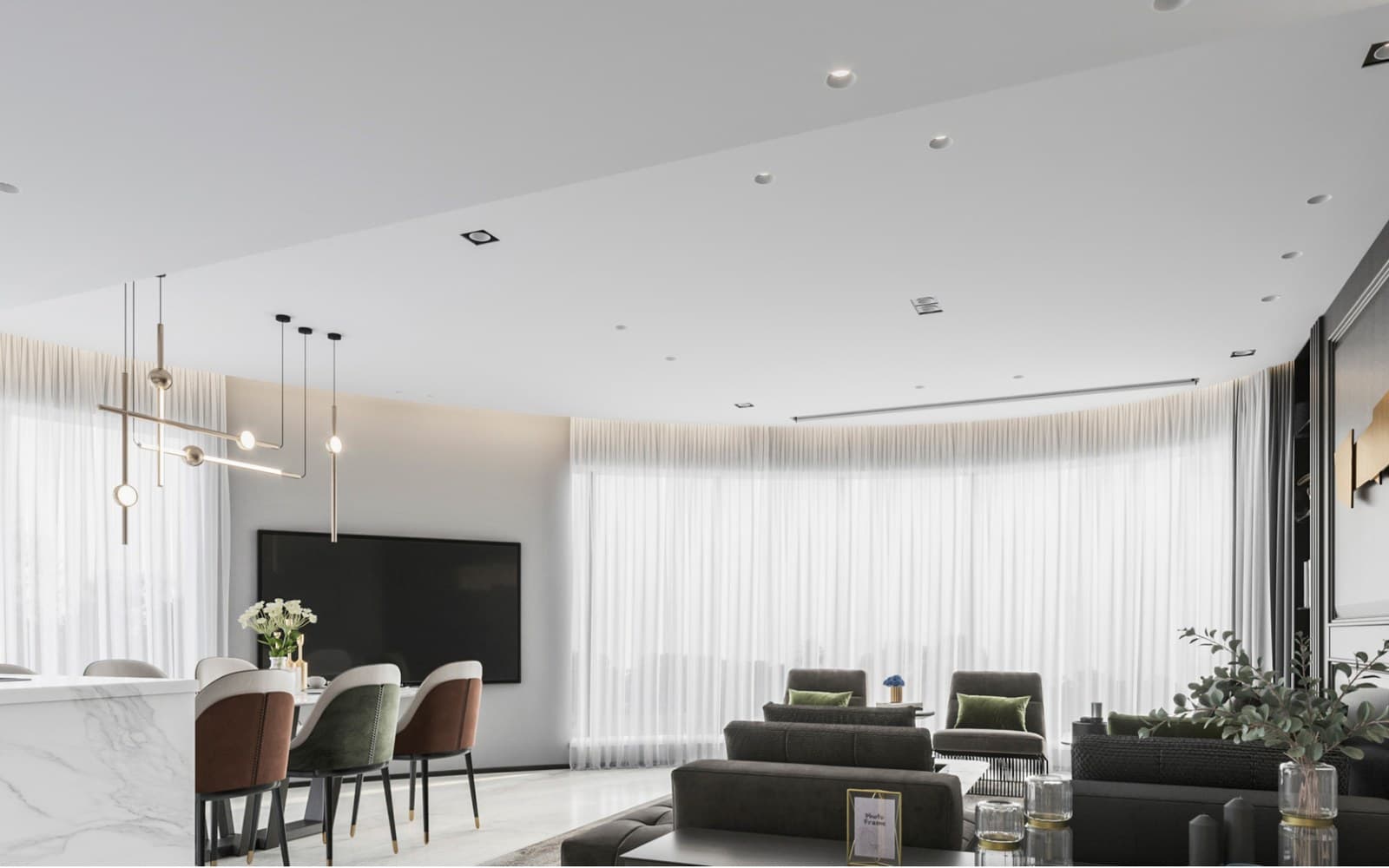
Use Linear Lighting and Aluminum Grooves for Integrated Details
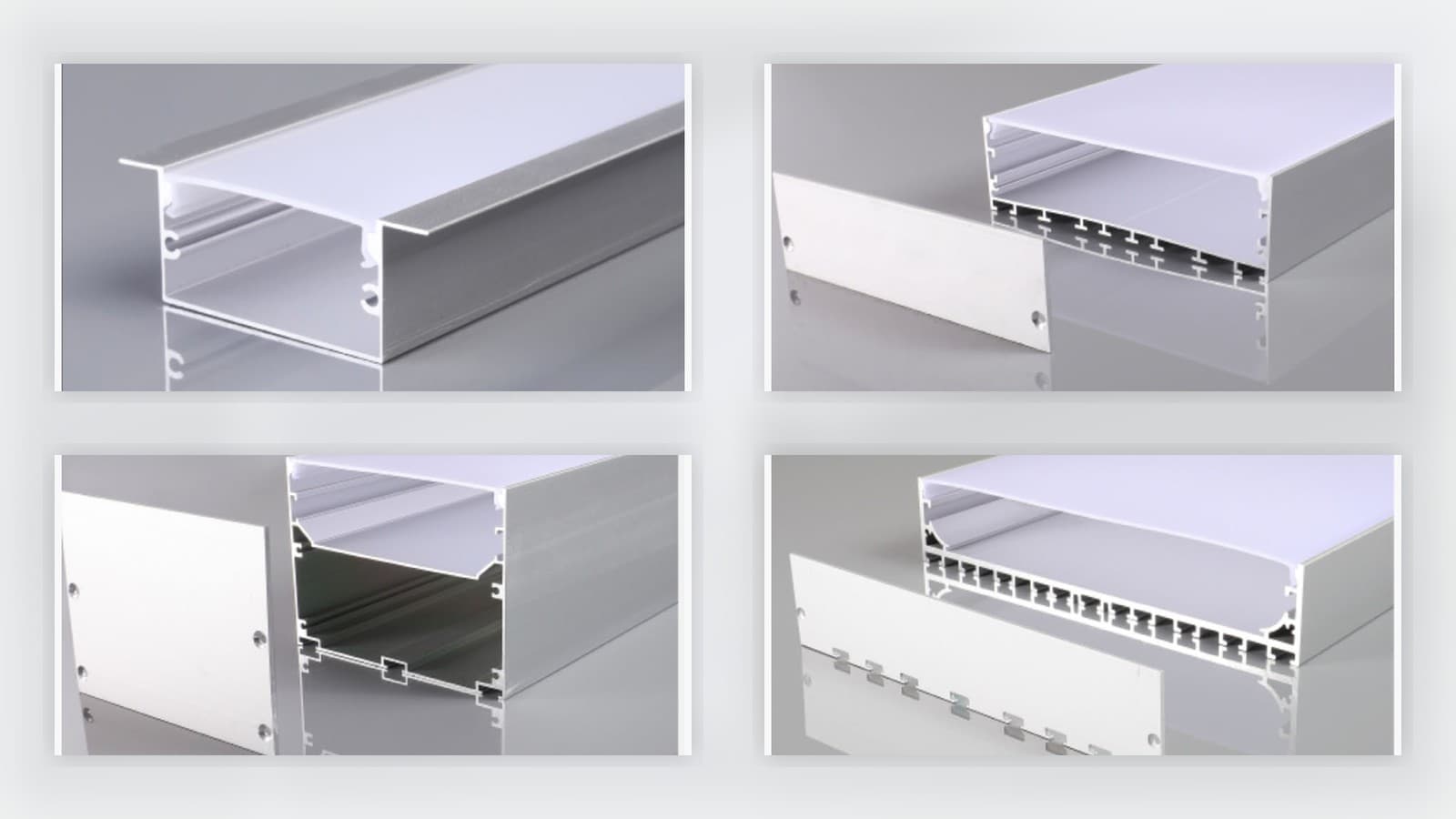
Linear lighting and aluminum groove systems are important in modern commercial interiors. They can support cleaner architectural lines, concealed lighting details, cabinet lighting, wall lighting, ceiling lines, skirting details, and floor-related lighting applications.
George Light aluminum groove references include multiple installation directions, such as cabinet and wardrobe grooves, triangular grooves, linear profiles, surface-mounted profiles, recessed profiles, three-sided lighting profiles, built-in profiles, skirting profiles, ground profiles, and black aluminum groove options.
These systems are especially useful when lighting needs to work with cabinetry and display shelving; wall panels and ceiling details; corridor lines and wayfinding; retail display edges; hospitality interiors; and integrated architectural lighting.
For project coordination, aluminum groove and strip lighting should be reviewed together with drawings, material finishes, and site installation conditions.
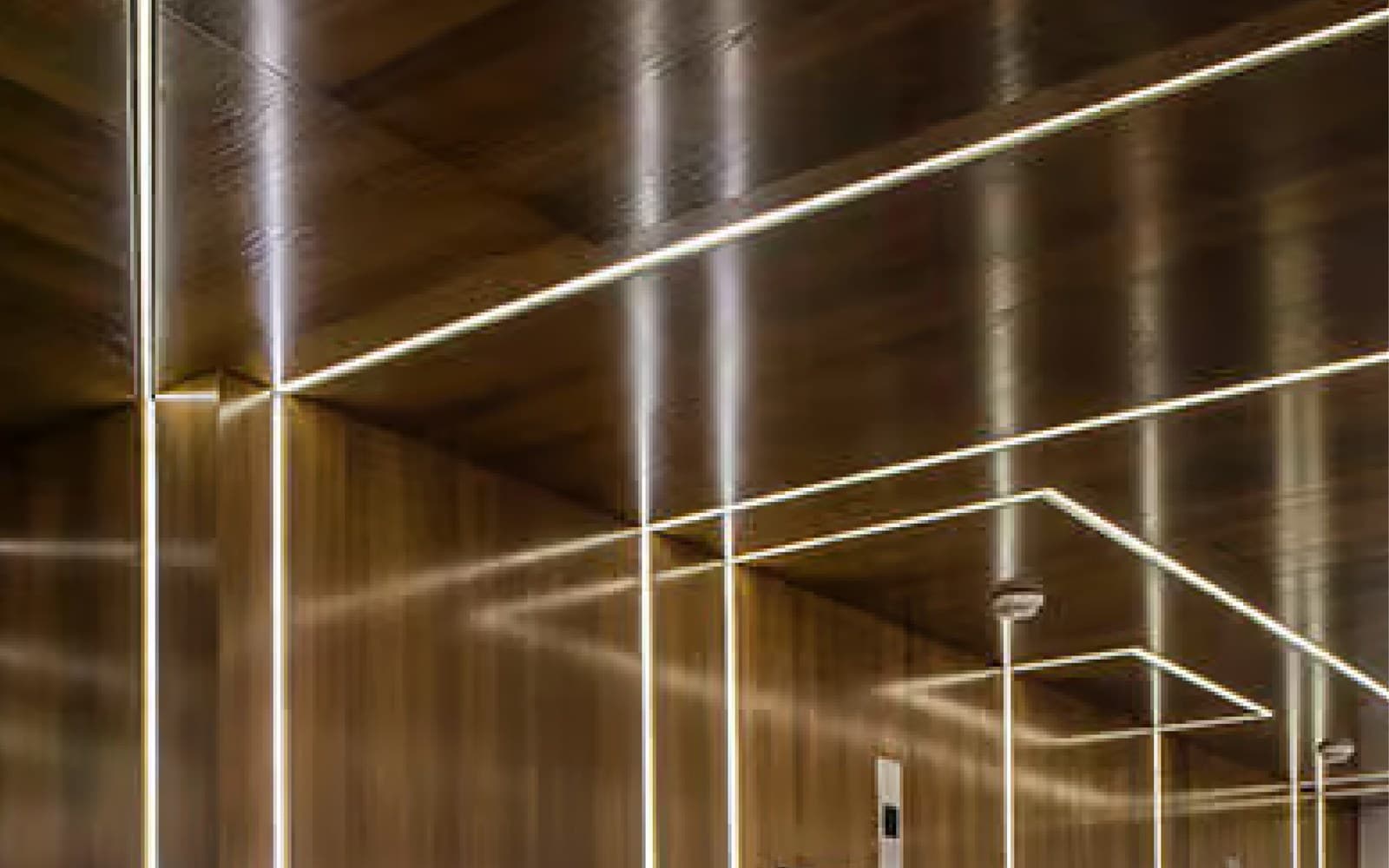
Coordinate Custom Feature Lighting for Lobbies, Restaurants, and Hospitality Areas
Some commercial spaces need more than standard office or retail lighting. Hotel lobbies, restaurants, reception areas, stair zones, and hospitality interiors may need custom feature lighting.
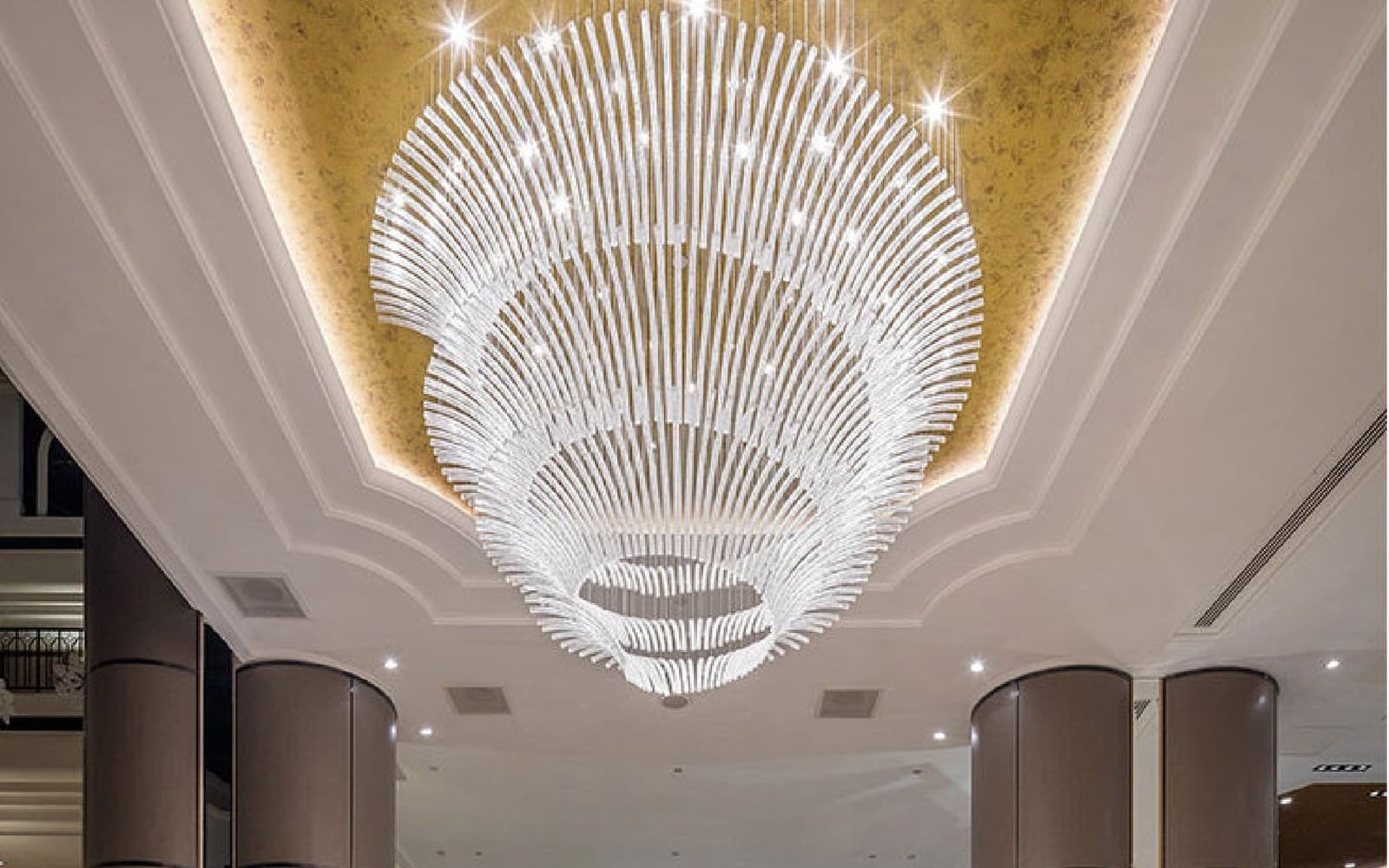
George can help review custom lighting directions based on fixture scale, material direction, ceiling condition, interior style, and installation requirements. Custom lighting references include material directions such as crystal with stainless steel, handmade glass with stainless steel, stainless steel, and fabric-based combinations.
For this type of lighting, early coordination is important. A feature light may need to work with ceiling height, hanging position, installation structure, and visual proportion. George can help project teams review these details before the sourcing direction is finalized.

What to Send George for a Faster Lighting Review
To review commercial lighting options more efficiently, project teams can send George floor plans and reflected ceiling plans; BOQ or fixture schedule; room schedule; ceiling height and ceiling condition; preferred lighting style or reference images; color temperature preference; fixture finish direction; installation method requirements; target atmosphere for each area; and any special needs for display, hospitality, office, or public spaces.
With these materials, George can help match suitable lighting directions and coordinate the next sourcing step more clearly.
From Material Brief to Sourcing Direction
Commercial lighting is not only about choosing fixtures. It is about aligning drawings, ceiling conditions, visual comfort, installation methods, material finishes, and project expectations before the next sourcing stage.
George supports lighting sourcing as part of a wider project material coordination process. From office lighting and downlights to track systems, magnetic lighting, linear lighting, aluminum grooves, and custom feature fixtures, our team can help review options based on the actual project brief.
Share your drawings, BOQ, room schedule, ceiling condition, fixture preferences, and desired atmosphere with George. We can help review commercial lighting options and coordinate a practical sourcing direction for your project.
Contact George to start the lighting review, or browse the wider services, products, and projects areas for broader sourcing context.