Start With Surface Direction, Not SKU Selection
A material brief does not need to begin with a long list of product codes.
At the early stage of a project, it is often more useful to clarify the visual direction first: the atmosphere you want to create, the areas that need continuity, and the surfaces that should become a focal point. Once that direction is clear, the material conversation becomes easier to organize.
At George, we help project teams turn an initial idea into a more focused surface discussion. Whether your brief is still broad or already focused on specific areas, the first step can be as simple as identifying the look and material families you would like to explore.
“Good material coordination starts with a clear surface direction, not a crowded list of SKU codes.”
Separate the Main Surface Families Early
Different ceramic surface categories can play very different visual roles within one project. Keeping them separate at the beginning helps create a clearer path for the next review.
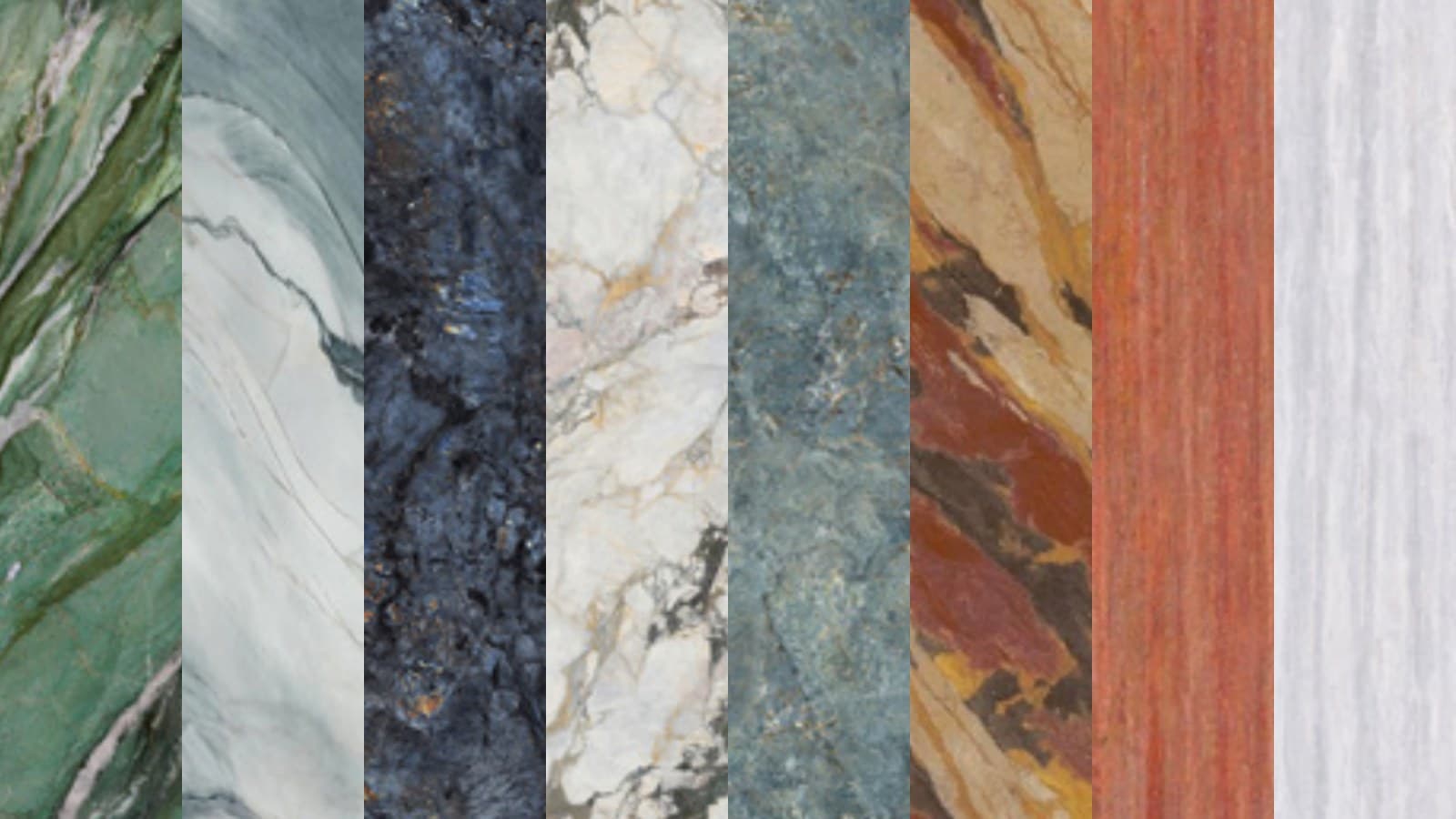
Sintered stone slabs can be considered when the project calls for large-format visual continuity. Available directions include clean textures, marble-inspired looks, onyx-inspired looks, limestone, sandstone, cement, terrazzo, travertine, bookmatch, and wood-look expressions.
Porcelain tile collections can support a wide range of interior visual directions, including large slab, solid color, travertine, sandstone, terrazzo, marble, luxury stone, and jade-inspired looks.
Rustic, antique-style, and wood-look tiles can bring more texture, pattern, or character into the overall material language, especially where the project needs a less uniform visual rhythm.
Exterior paver and paving-facade directions can be reviewed as part of the wider concept when outdoor-facing areas are included in the brief.
Mosaics and decorative ceramic tiles can introduce smaller-scale detail through square, rectangular, organic, irregular, or larger-format mosaic directions, as well as antique-style, geometric, and minimalist decorative expressions.
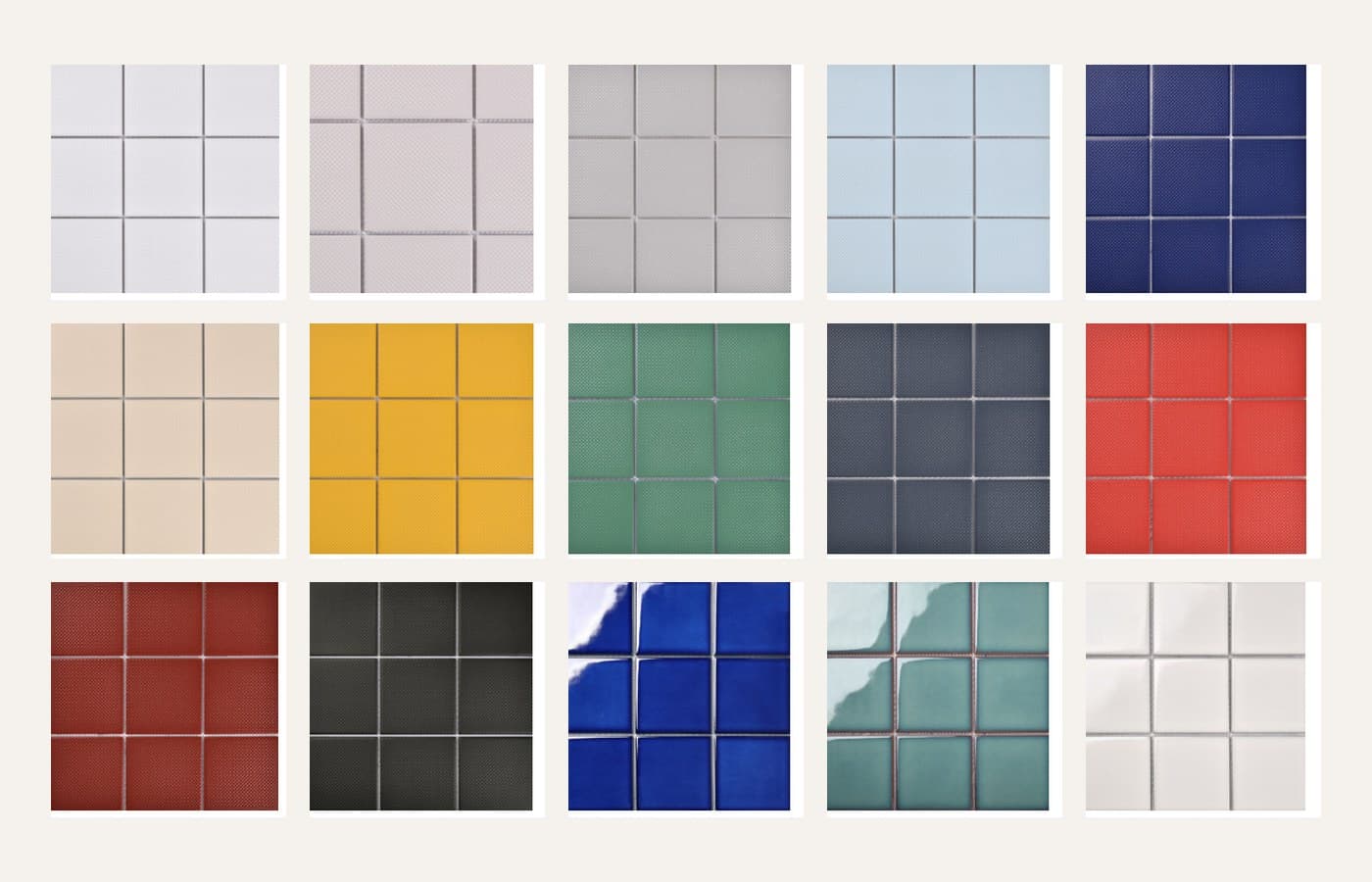
The goal is not to decide every detail at once. It is to create a sensible first shortlist that makes later coordination more efficient.
Match the Visual Direction to Each Project Area
A strong project palette usually has a clear relationship between its main surfaces and its feature areas.
Large, continuous material directions can be reviewed when the brief calls for a calmer visual flow. Stone-inspired and terrazzo-inspired looks can help establish a more defined material character. Mosaics and decorative tiles can be reviewed for areas where a smaller-scale pattern, color shift, or crafted detail may support the design intent.
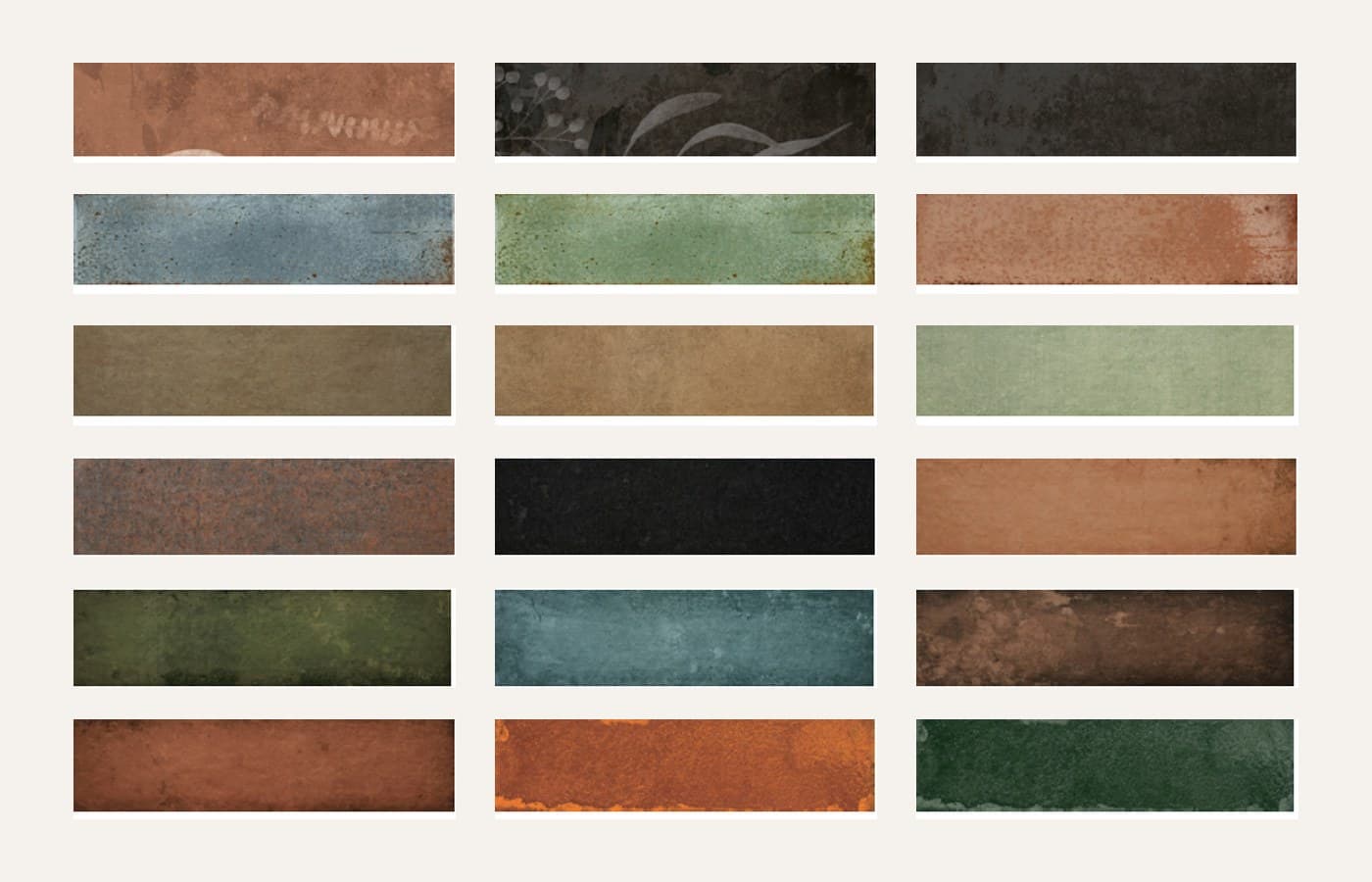
Rather than choosing each surface separately, it is useful to look at the project as one connected material story:
- Which areas should feel quiet and continuous?
- Which spaces need a stronger visual statement?
- Where would a decorative surface add value without overwhelming the overall scheme?
- Which material directions should be reviewed together before final selections are made?
This gives everyone a clearer starting point before the discussion moves into specific formats, colors, and combinations.
Keep the Brief Open for Project Review
A good starting brief does not need to include every final decision.
You may already have reference images, a partial finish schedule, a drawing set, or simply a clear idea of the atmosphere you want to create. George can help review suitable tile, sintered stone, mosaic, decorative ceramic, and related surface directions around the information you already have.
As the project develops, the shortlist can become more specific through visual coordination, format review, and material matching discussions.
Start the Conversation With George
You do not need a finished material schedule before reaching out.
Start with a short message and tell us what you are planning. Share the spaces, visual direction, reference images, or project files you already have, and George can help review suitable surface directions for the next stage of your project.