Metal finishes are often noticed before they are consciously seen.
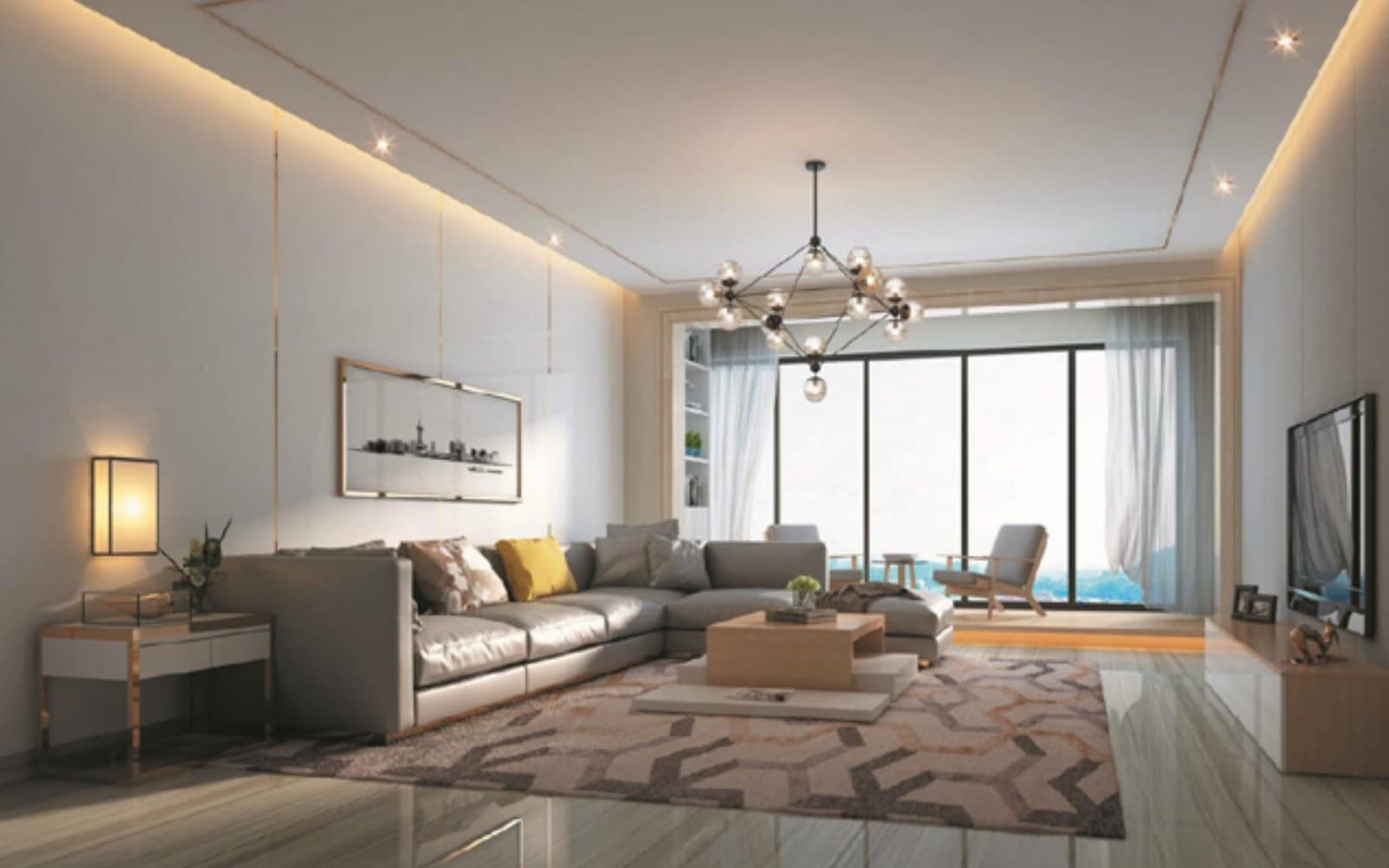
A narrow champagne line at a door reveal, a dark mirror detail across a feature wall, or a brushed finish around a ceiling can quietly change the character of an interior. These details may begin as small marks on a drawing, yet once they appear across walls, ceilings, door surrounds and feature areas, they become part of the room's overall rhythm.
The useful starting point is not simply choosing a color. It is understanding what the finish needs to do within the space, then coordinating its reflection, texture, proportion and placement around the wider design approach.
“A considered metal finish is not only about color. It is about where the eye lands, how the surface catches light, and how each detail connects across the room.”
Start with the visual role of the finish
Every metal finish should have a reason to appear.
In some interiors, it may create a sharper edge around a reception wall or feature area. In others, it may soften the transition between a ceiling plane and a wall surface. Trim details can frame door surrounds, connect repeated lines across a corridor, or introduce a quiet accent beside timber, stone, glass or upholstery.
Rather than selecting finishes surface by surface, begin by mapping where each one will appear. A metal finish that works beautifully as a small trim may feel very different when repeated across a larger wall area. Looking at the room as a whole helps create a more balanced result from the beginning.
Choose reflection and texture with intention
Metal can bring a wide range of visual moods into a project interior.
Mirror-like finishes can introduce a stronger sense of light and movement. Brushed, sprayed and etched finishes can create a more composed material presence. Dark tones, champagne, bronze and warm metallic palettes can each shift the atmosphere of a room depending on the surrounding palette and available light.
The finish should not be considered in isolation. Its character changes beside flooring, wall surfaces, decorative glass and surrounding materials. A sample that feels convincing on its own may need adjustment when viewed with the materials that will surround it in the finished space.
Bring larger surfaces and smaller details into one conversation
Walls, ceilings and trim do not need to compete with one another.
Architectural metal finishes can be considered across colored stainless steel, aluminum veneer wall or ceiling surfaces, and trim details that help shape the edges between materials. A larger panel may create the main visual field, while a thinner line or profile can define where the eye pauses, turns or moves through the room.
This is where proportion matters. A fine trim can bring precision to a door surround or background wall. A broader metal surface can establish a stronger feature area. The most effective result usually comes from letting these elements support the same interior language rather than treating each one as a separate decorative decision.
Use samples and drawings to refine the finish selection
A finish decision becomes clearer when it is reviewed in context.
A finish reference, drawing excerpt, room schedule or simple material board can already provide a useful starting point. These materials help clarify where the metal will appear, how much reflection the space needs, which colors should sit together and where a trim or panel selection may need further coordination.
George can help review suitable architectural metal finish options through the files you already have. From there, the discussion can move toward samples, finish selection, wall and ceiling areas, trim details and the next coordination steps for the project.
Start with the files you already have
You do not need to have every finish selected before getting in touch.
A drawing, one reference image or an early material idea can be enough to begin. George can help review architectural metal finish and trim options for walls, ceilings and interior details, then help clarify suitable next steps around the wider project.