Outdoor lighting is not selected by fixture type alone. A wall light, garden light, bollard, in-ground fixture, or facade light has to respond to the architecture, landscape circulation, exterior materials, installation condition, and the atmosphere the project wants to create after dark.
George helps project teams review outdoor lighting directions based on drawings, BOQ, landscape plans, facade conditions, site photos, fixture style references, and desired night-time effect. Instead of treating outdoor lights as separate products, we look at how different fixture types can work together across entrances, walls, paths, gardens, terraces, courtyards, hospitality exteriors, and project exterior areas.
For villas, hotels, apartments, restaurants, public buildings, retail exteriors, and landscape spaces, outdoor lighting should support more than visibility. It should help guide movement, shape the building impression, highlight materials, create atmosphere, and make the exterior space feel intentional.
“Outdoor lighting should guide movement, shape atmosphere, and support the architecture after dark - not simply fill an exterior space with fixtures.”
Start With the Exterior Zones, Not the SKU List
A practical outdoor lighting review begins with the exterior zones.
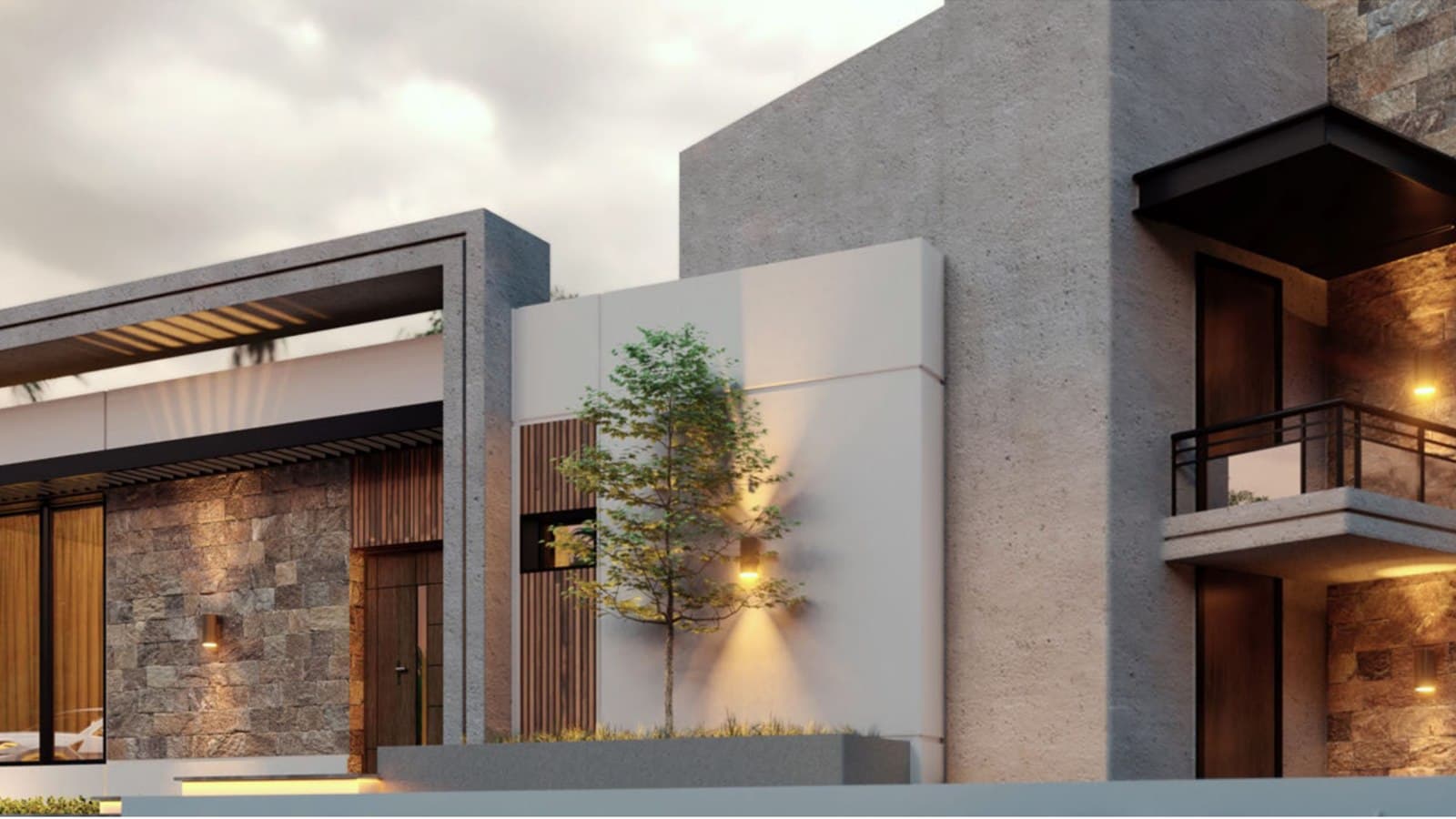
An entrance area may need wall-mounted fixtures, step lighting, or soft guidance for arrival. A garden may need layered lighting for plants, paths, seating areas, and outdoor leisure spaces. A facade may need controlled wall lighting, accent beams, or linear lighting to define architectural lines. A hotel or restaurant exterior may need warmer atmosphere and a lighting rhythm that feels welcoming after dark.
George can help review outdoor lighting directions based on facade drawings and exterior elevations; landscape plans and circulation routes; entrance, pathway, garden, terrace, and courtyard zones; wall, ground, step, and planting conditions; desired atmosphere and brightness direction; BOQ, fixture schedule, and site photos; and installation condition and material finishes.
This helps avoid choosing fixtures too early. A product that looks suitable in a catalog still needs to be checked against the wall condition, mounting position, beam direction, pathway layout, landscape setting, and overall exterior atmosphere.
Match Fixture Types to Outdoor Roles
Different outdoor areas need different lighting roles.
Outdoor wall lights can support entrances, exterior walls, facade accents, balconies, corridors, and hospitality exterior zones. They may be used to create upward, downward, or more controlled wall effects depending on the project design direction.
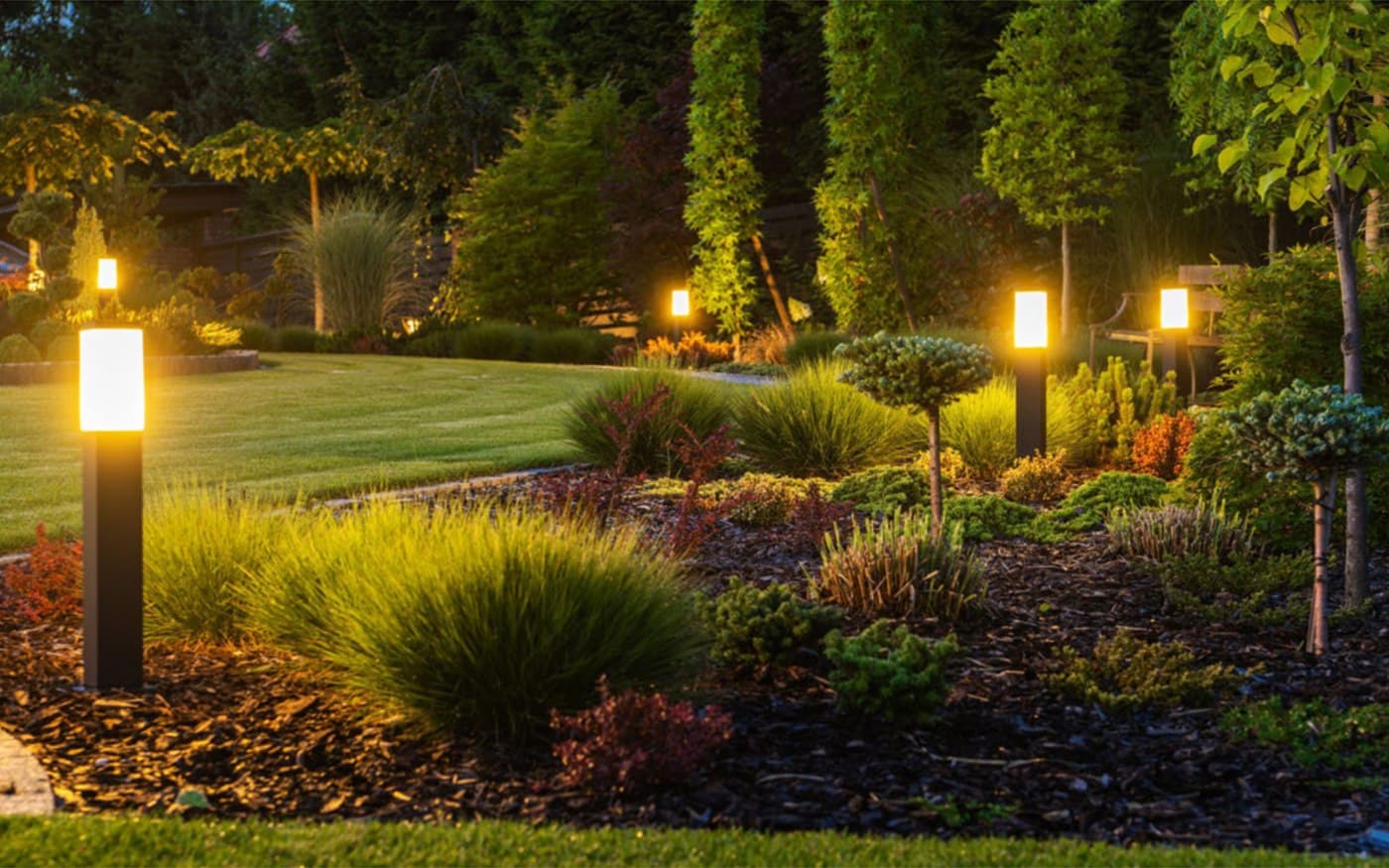
Garden and lawn lights can help build layered outdoor ambience for villas, hotels, gardens, courtyards, and leisure spaces. They can support planting areas, outdoor seating, and softer night-time landscape scenes.
Bollard and column-style lights can support pathway, perimeter, and circulation lighting. They are useful when outdoor movement needs gentle guidance without relying only on wall-mounted fixtures.
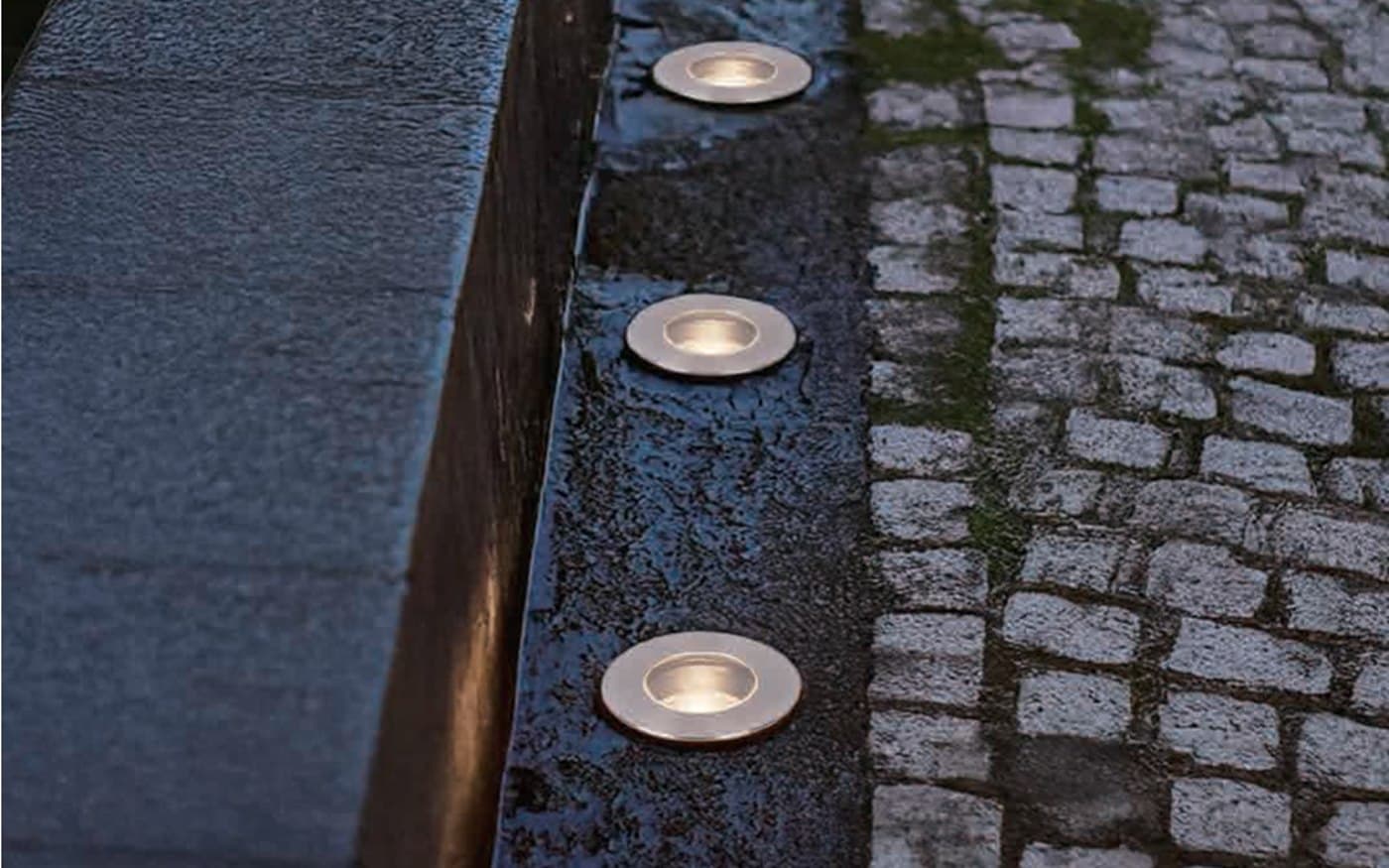
In-ground lights, buried lights, ground spotlights, and wall washers can help mark paths, edges, trees, paving, steps, and architectural details. These fixtures should be reviewed carefully according to the surface, lighting purpose, beam direction, and the intended visual effect.
George can help project teams shortlist outdoor fixture types by exterior zone rather than treating every light as a separate item.
Coordinate CCT, CRI, and Beam Angle With the Desired Atmosphere
Outdoor lighting affects how a building and landscape feel at night.
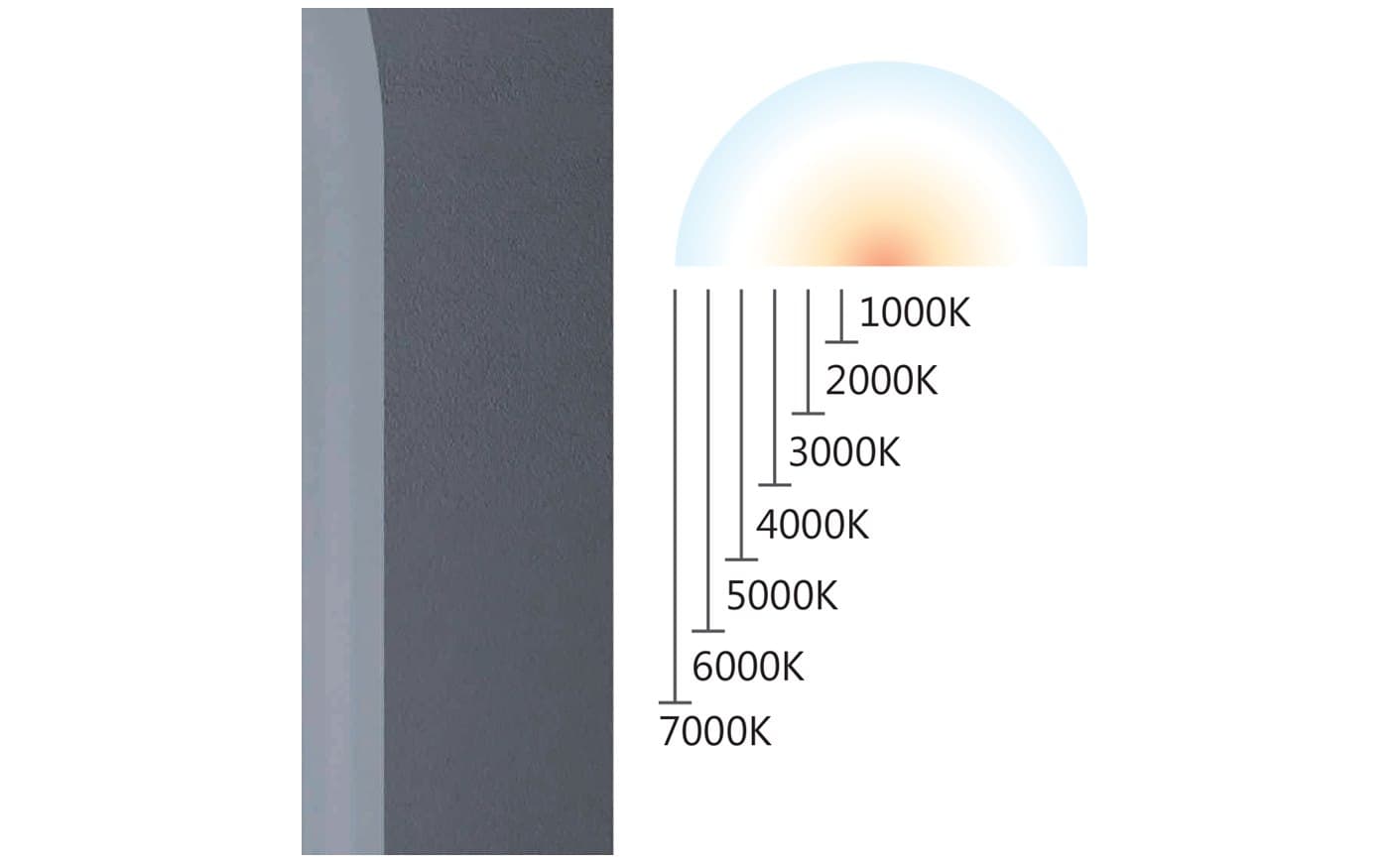
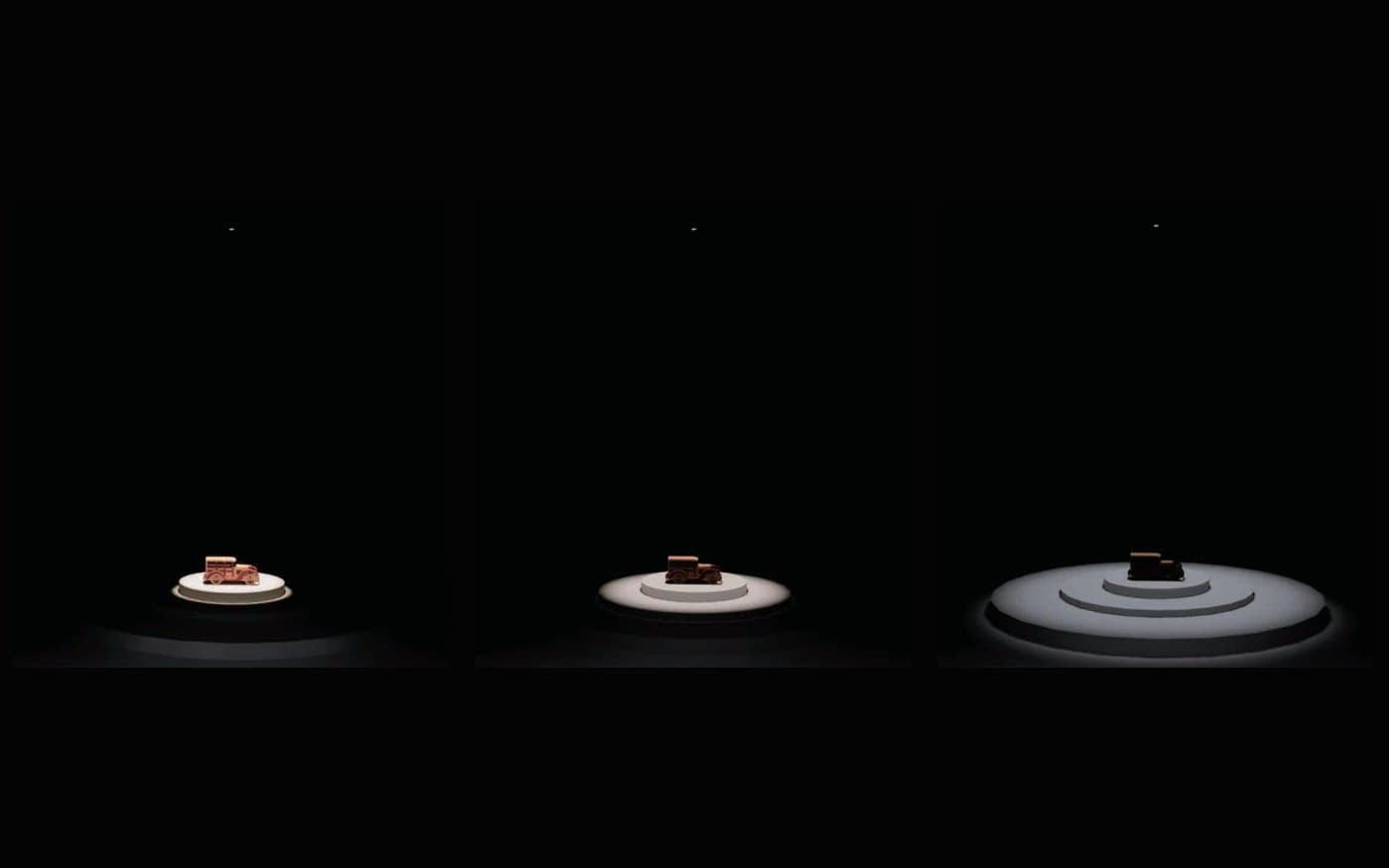
Color temperature is one of the most important early decisions. Warmer tones can support hospitality, garden, villa, and leisure atmospheres. Clearer tones may be reviewed where exterior guidance, building definition, or stronger circulation visibility is needed. George can help review color temperature direction according to the project's exterior character and desired night-time experience.
Color rendering can also matter outdoors, especially when facade materials, stone, planting, landscape finishes, dining areas, or hospitality environments need to appear more natural. CRI should be reviewed as a selection factor when exterior materials and atmosphere are important, without treating one value as suitable for every zone.
Beam angle helps determine whether the light creates a narrow accent, a wider wash, or a more general guiding effect. Narrower beams may support facade details, trees, columns, and focal points. Wider beams may support softer wall washing, pathway guidance, or broader exterior coverage. The right beam direction should be coordinated with lighting purpose, mounting position, viewing distance, surrounding surfaces, and the desired visual effect.
For outdoor projects, George can help review CCT, CRI, and beam angle together so the lighting direction supports both practical use and atmosphere.
Review Installation Conditions Before Final Selection
Outdoor lighting should be checked against installation conditions before the final sourcing direction is selected.
Wall-mounted fixtures need to work with the exterior wall finish, mounting height, wiring position, facade rhythm, and desired beam effect. Garden and lawn lights need to work with planting layout, path edges, paving, and outdoor furniture placement. In-ground and step lighting need to be coordinated with the surface condition, installation position, and visual guidance requirement.
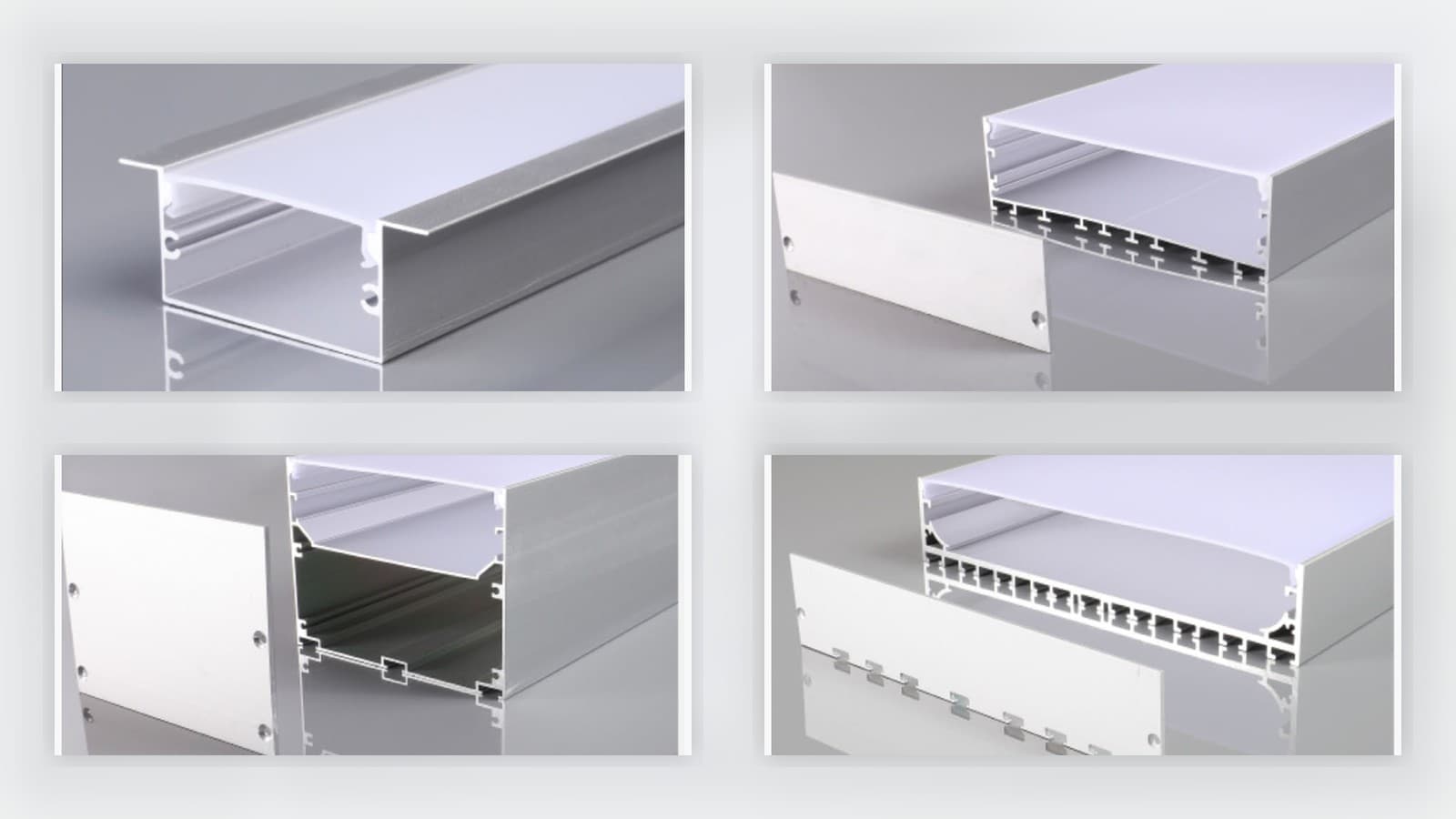
Linear recessed exterior lighting can be reviewed for paths, facade edges, and architectural definition. Low-level and ground-mounted lighting can support steps, paving, trees, and facade details. Wall washers can help define vertical surfaces and building features when the project requires stronger architectural emphasis.
George can help project teams review fixture direction before selection is finalized, so the lighting plan aligns with drawings, landscape layouts, site photos, exterior finishes, and installation details.
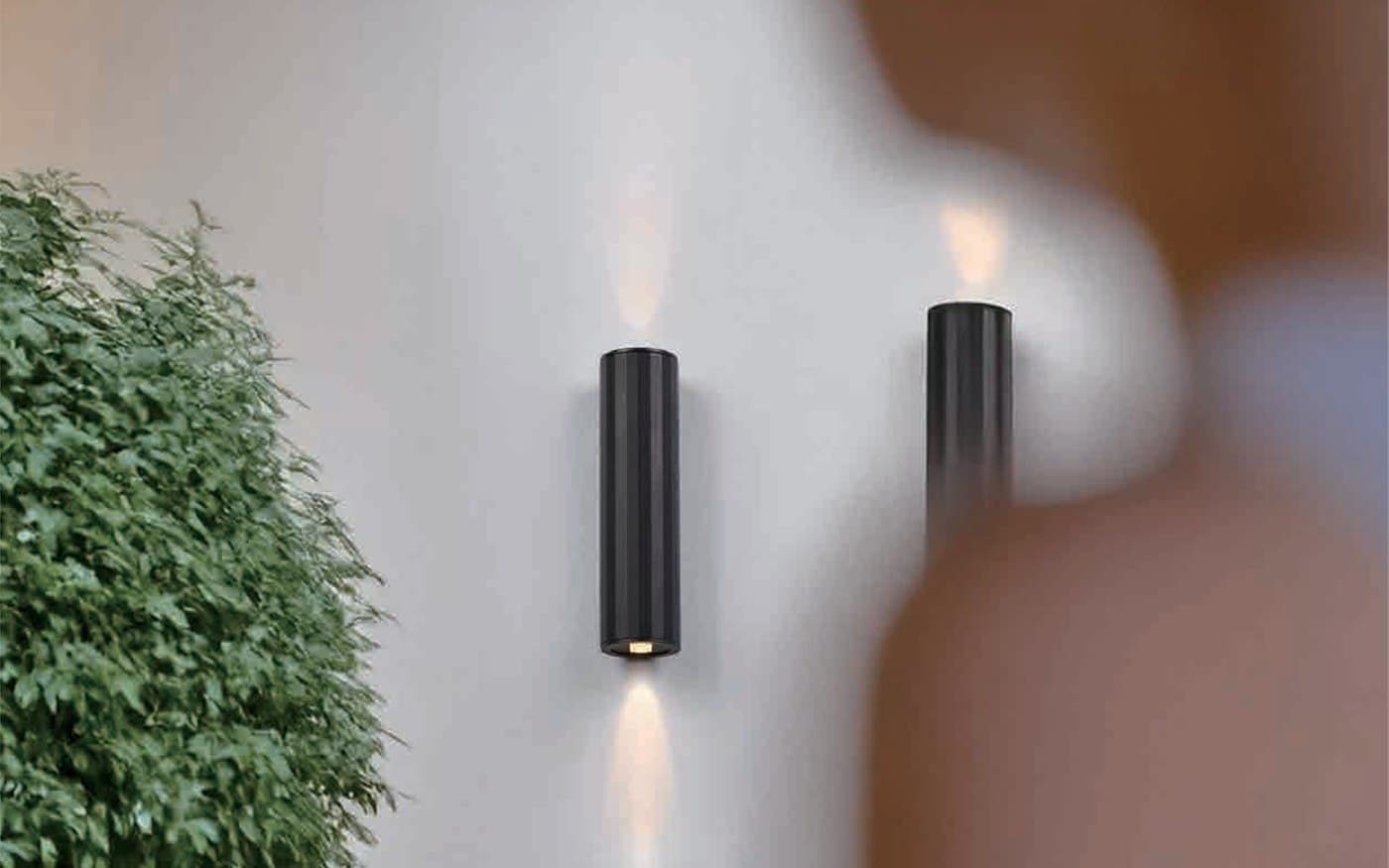
Build Layered Outdoor Lighting for Hospitality and Landscape Spaces
Outdoor spaces often need layers.
A hotel entrance may combine wall lights, step lighting, garden lighting, and facade lighting. A villa garden may combine lawn lights, pathway lights, tree accents, and warm seating-area lighting. A restaurant terrace may need atmosphere lighting, circulation lighting, and feature lighting that supports the guest experience.
Layered outdoor lighting helps connect practical guidance with design mood. It can shape how visitors arrive, move through the space, notice materials, and experience the building after dark.
George can help review how different outdoor fixture families should work together, including wall-mounted lights, garden lights, bollard-style lights, in-ground lights, ground spotlights, wall washers, and exterior feature lighting.
What to Send George for Outdoor Lighting Coordination
To review outdoor lighting options more efficiently, project teams can send George facade drawings or exterior elevations; landscape plans; lighting layout or fixture schedule; BOQ or room and area schedule; site photos or reference images; wall, ground, step, and planting conditions; desired color temperature or atmosphere direction; fixture style references; preferred mounting or installation direction; and areas that need guidance, accent, facade, or hospitality lighting.
With these materials, George can help review suitable outdoor lighting directions and coordinate the next sourcing step more clearly.
From Exterior Concept to Sourcing Direction
Outdoor lighting is not only about choosing wall lights or garden lights. It is about aligning exterior zones, landscape circulation, facade materials, lighting atmosphere, beam direction, installation conditions, and project documentation before sourcing moves forward.
George supports outdoor lighting sourcing as part of a wider project material coordination process. From wall-mounted fixtures and garden lights to pathway lighting, in-ground lighting, facade lighting, and hospitality exterior lighting, our team can help review options based on the actual project brief.
Share your facade drawings, landscape plans, lighting layout, BOQ, site photos, installation conditions, and desired atmosphere with George. We can help review outdoor lighting options and coordinate a practical sourcing direction for your project.
Contact George to plan the outdoor lighting review, browse wider services, review the products area, read the related commercial lighting sourcing guide, or visit projects for broader sourcing context.