Material Direction
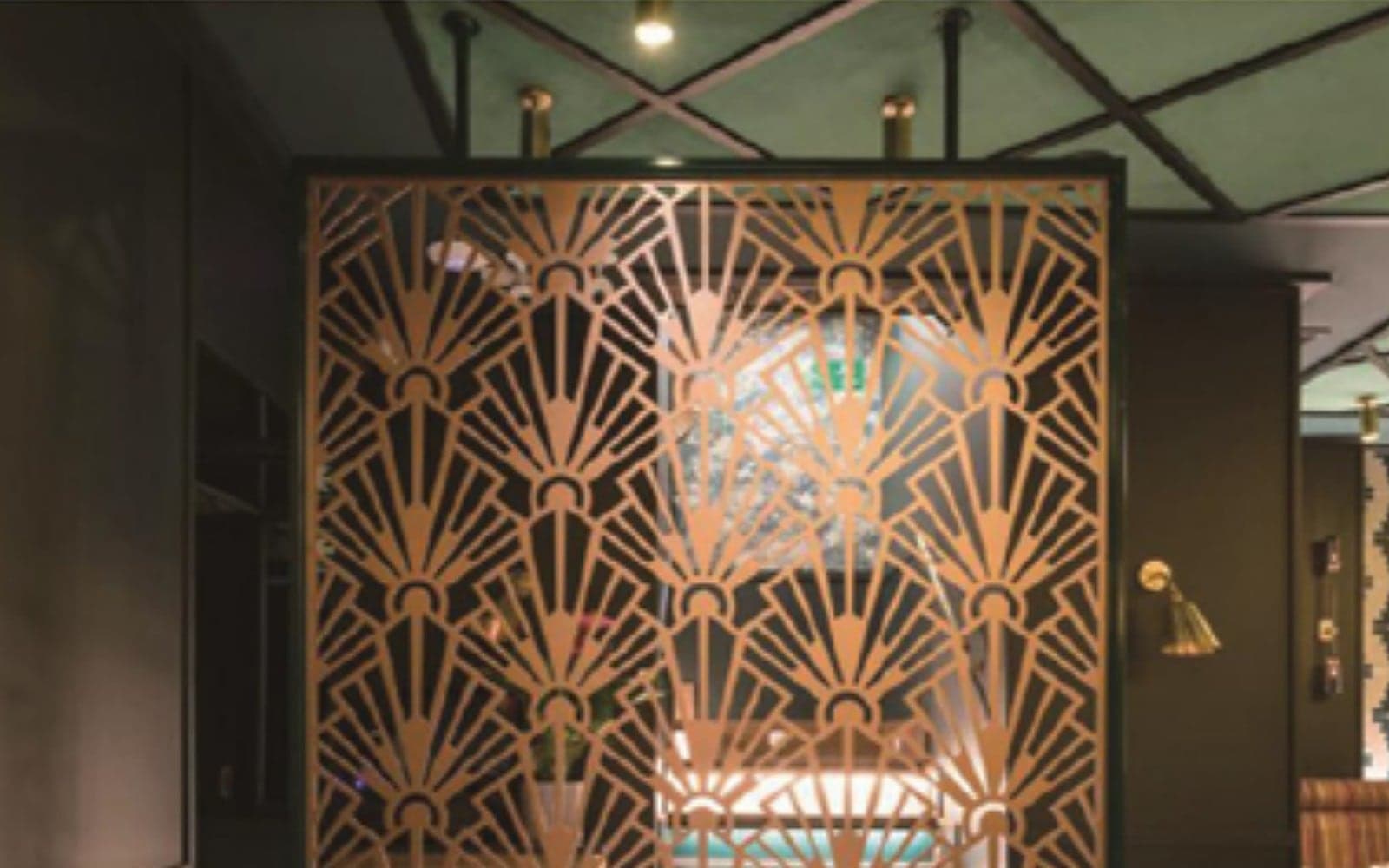
Decorative Metal Screens
Review screen direction through pattern density, material tone, finish direction and surrounding interior finishes.
Architectural Metal & Glass Systems
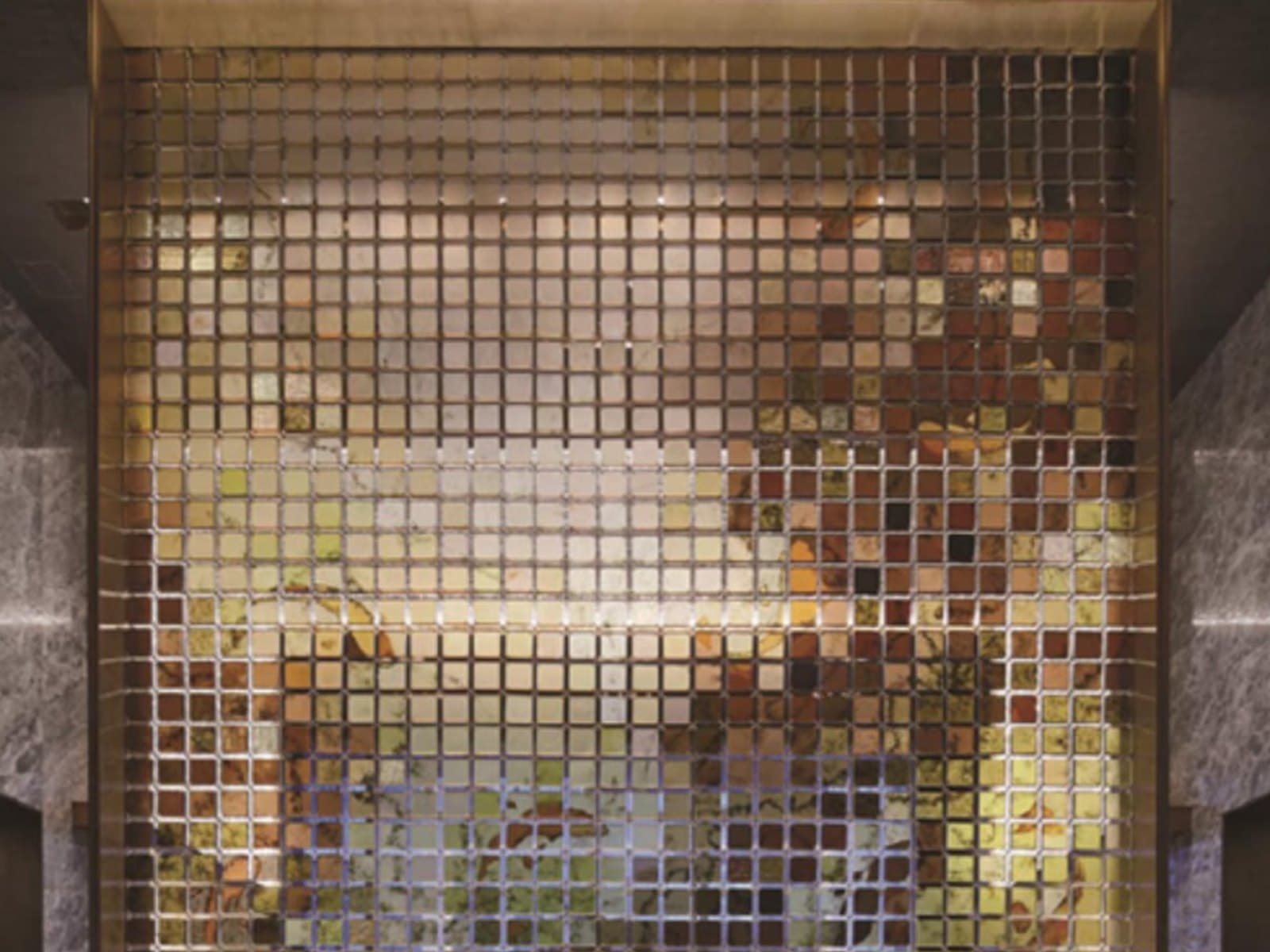
Decorative metal screens, architectural metal finishes, glass partitions and decorative glass directions for project interiors.
Start with the project context you already have.
Category Overview
Decorative metal screens, architectural metal finishes, glass partitions and decorative glass directions should be reviewed with the surrounding room context.
George can help project teams connect available project inputs with a clearer material direction before the next coordination step.
Core Directions
Material Direction
Review screen direction through pattern density, material tone, finish direction and surrounding interior finishes.
Material Direction
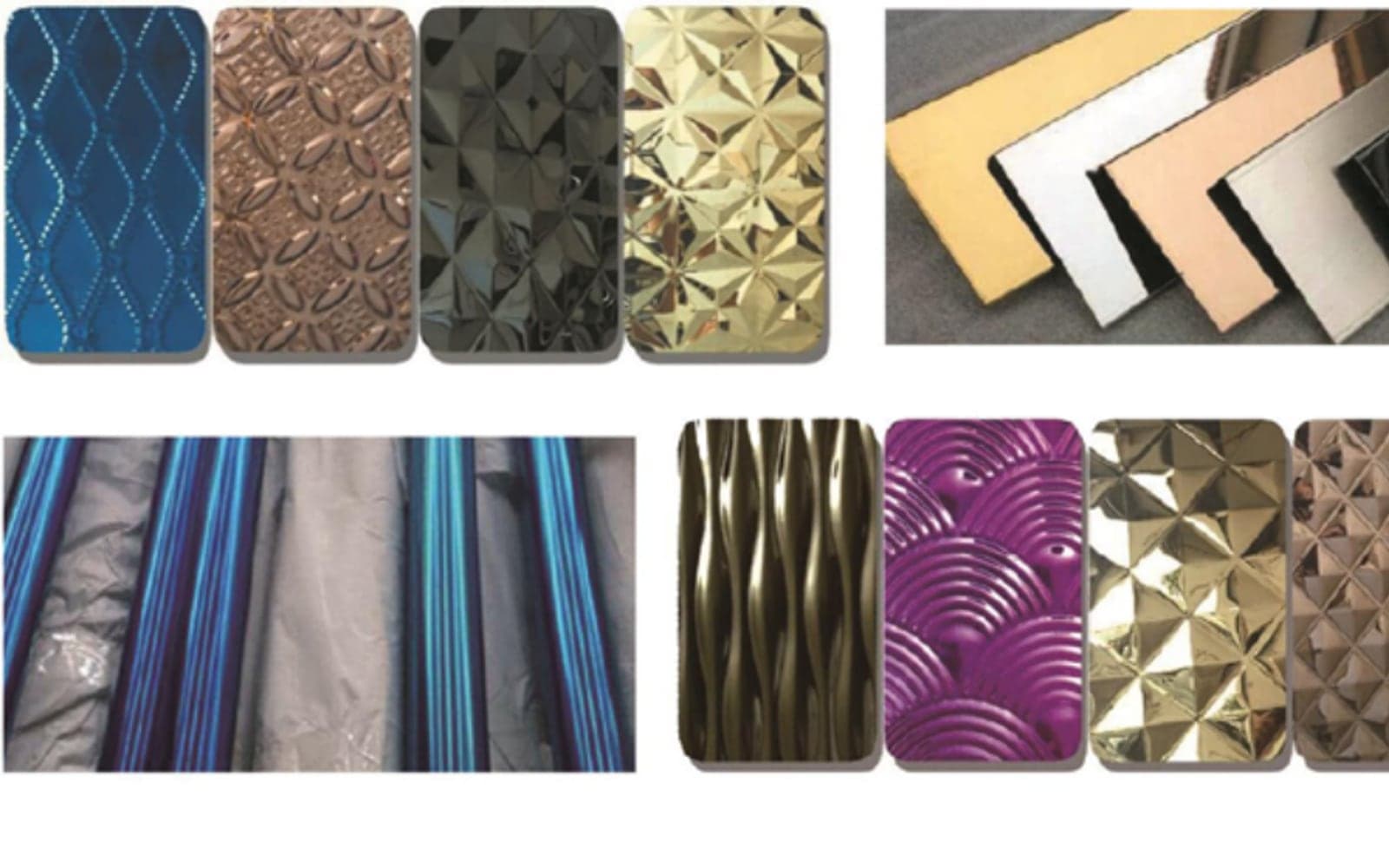
Review metal finish direction for walls, ceilings and trim through color, texture, sample coordination and adjacent materials.
Material Direction
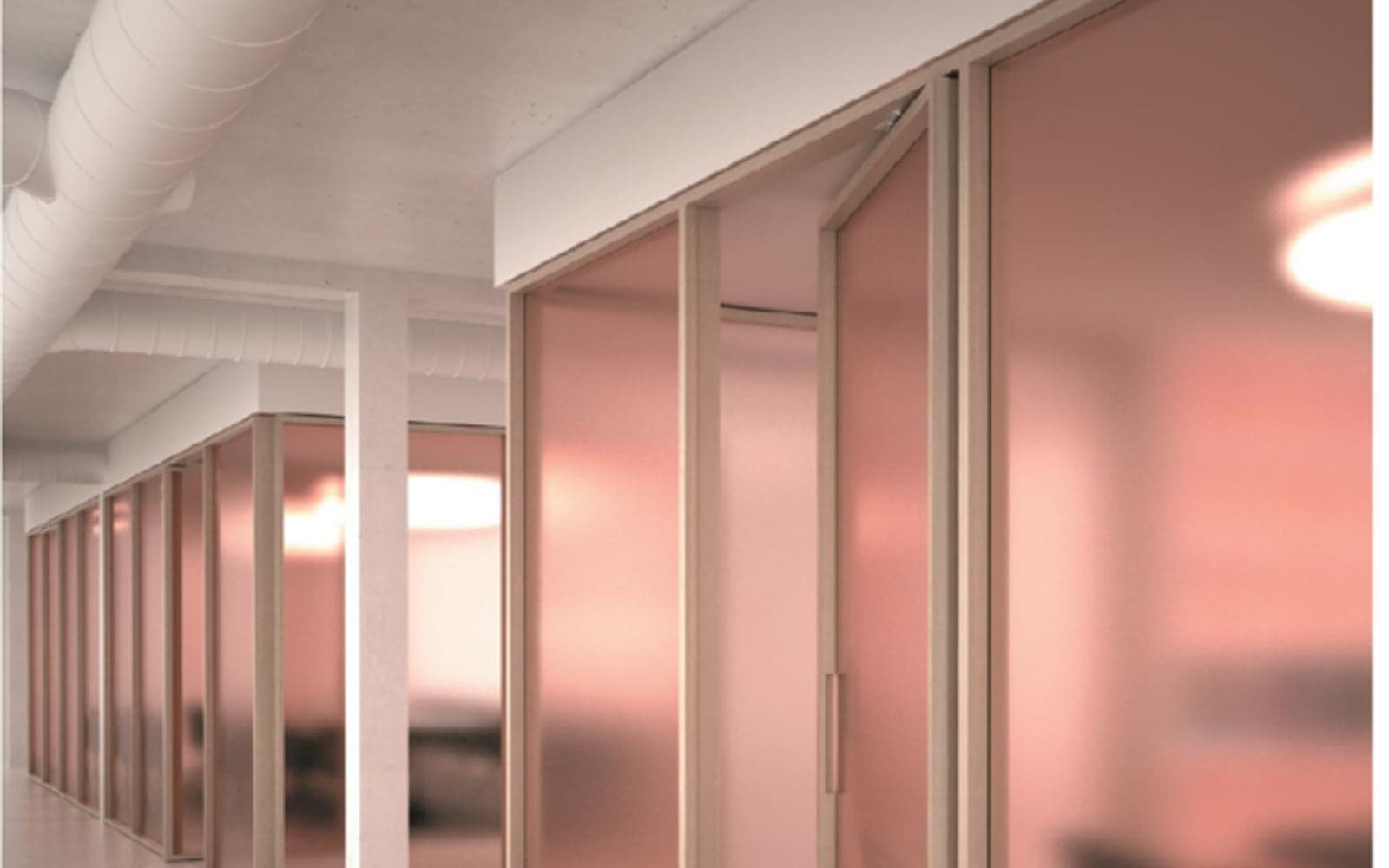
Review glass partitions and decorative glass directions for visual privacy, color, texture and light.

Material Direction
Review glass brick, glass mosaic and art glass directions as decorative surface references for project interiors.
Project Review Matrix
Use these material families as a practical starting point. Representative catalog directions can support early review. Final material, finish, dimensions, configuration, fixing details and technical requirements can then be reviewed against the project drawings and current supplier documentation.
| System / Material Family | Representative Direction | What George Can Review | Useful Project Inputs |
|---|---|---|---|
| Decorative Metal Screens & Partitions | Open or denser patterns across stainless-steel, aluminum or iron directions, with brushed, etched, bead-blasted and varied metallic appearance references. | Pattern density; material and finish direction; panel proportion; surrounding finishes; the screen's role within the room. | Plan or elevation; approximate dimensions; separation or visual-privacy goal; pattern reference; finish palette; floor and ceiling interfaces. |
| Architectural Metal Finishes & Trim | Mirror-like, matte, brushed, vibration, bead-blasted and warm metallic finish directions across larger surfaces and trim details. | Finish tone; reflection; texture; sample relationship; trim proportion; coordination with adjacent materials. | Finish reference; material board; wall or ceiling area; trim location; adjoining surfaces; sample expectations. |
| Aluminum Veneer Directions | Interior wall and ceiling panel directions, including wood-look, stone-look, art-panel and formed-panel references. | Visual direction; panelization; finish; geometry; boundaries; openings; relationship between panel areas and trim. | Elevation or area; panel divisions; corners and openings; adjacent finishes; support context; unresolved technical requirements. |
| Decorative Glass & Glass Partitions | Textured, colored and patterned glass directions within framed or decorative partition contexts. | Visual privacy direction; color; texture; light; frame or trim relationship; opening proportion; surrounding finishes. | Plan or elevation; opening dimensions; privacy intent; color or pattern reference; frame direction; adjacent materials; interface conditions. |
| Glass Brick, Glass Mosaic & Textured Glass | Patterned and colored glass-brick references, together with glass mosaic, art-glass and textured decorative-glass directions. | Pattern; color; module or feature layout; visual depth; edge conditions; lighting relationship; adjacent surfaces. | Opening or feature elevation; approximate dimensions; pattern or color reference; surrounding finishes; edges and interfaces; installation context. |
System / Material Family
System / Material Family
System / Material Family
System / Material Family
System / Material Family
Final selections should be reviewed against project drawings, physical samples and current supplier documentation. Fixing, installation and other technical requirements remain project-specific.
Before Shortlisting or Quotation
You can start with the project information already available. A plan, elevation, room reference or finish image can be enough to begin, and open technical items can be clarified as the review develops.
Where the screen, partition, metal surface or decorative glass will appear, and what visual separation, privacy or feature role it should support.
Available plans, elevations, opening sizes, feature areas, panel divisions or room schedules that can establish the review context.
Pattern density, metal finish tone, reflection, glass color, texture, visual privacy direction and any sample or reference image already selected.
Floor and ceiling interfaces, wall returns, openings, frame or trim relationships, joints, edges and nearby finishes that should be considered together.
Available support or fixing context, site conditions, access considerations and technical requirements that still need supplier, consultant or project-specific confirmation.
These inputs do not need to be complete before you contact George. Share what you have, and the open questions can be organized before material shortlisting or quotation discussion.
Related Insights
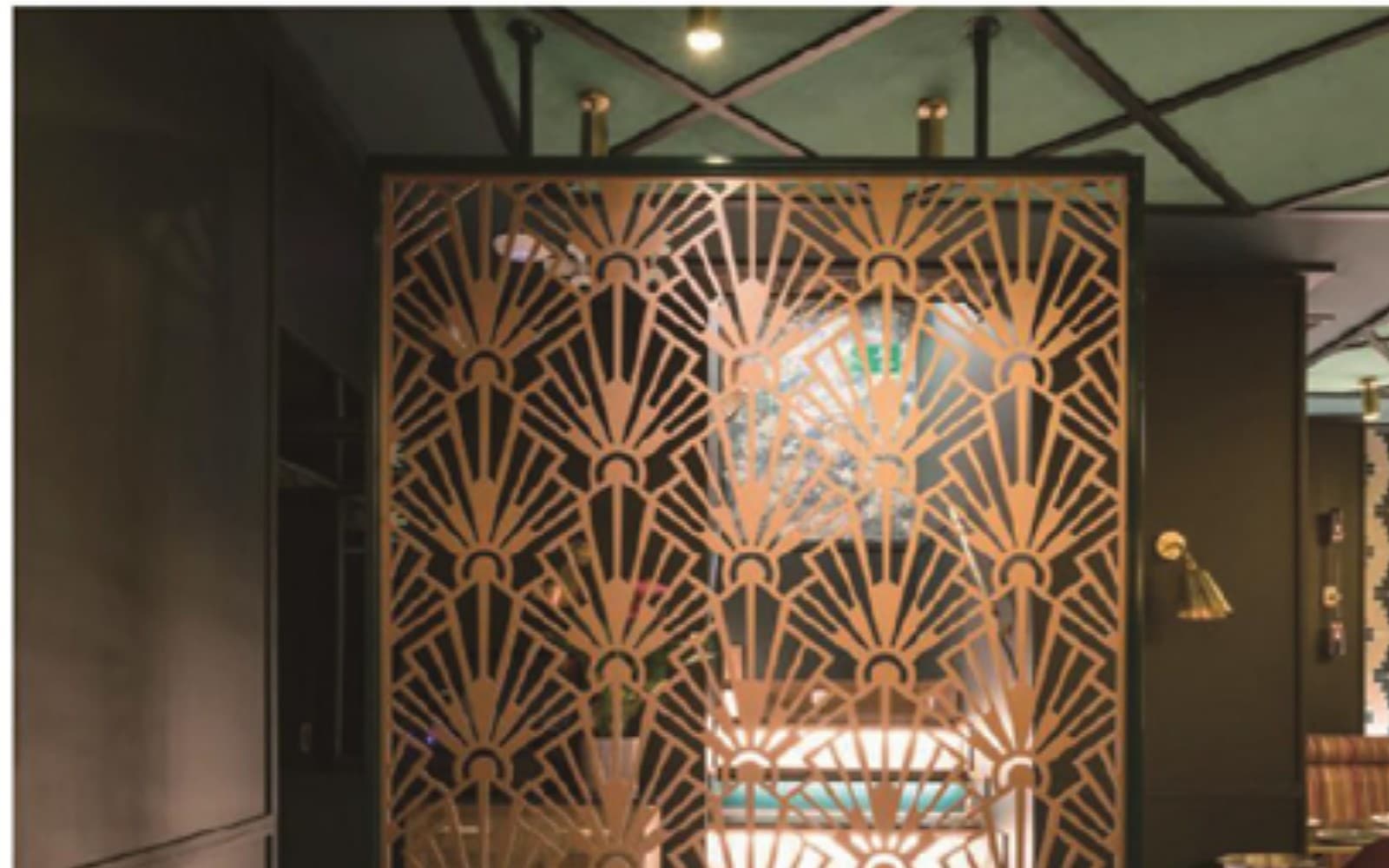
Explore how material, pattern, finish and project coordination shape decorative metal screens for hospitality and commercial interiors.
Decorative metal screen guideArchitectural metal finishes can bring walls, ceilings and trim into one considered visual language. Explore how color, reflection and detail coordination can shape metal finishes for project interiors.

Decorative glass can bring visual privacy, color and visual depth into project interiors without making a space feel closed. Explore how texture, glass type and material coordination can be reviewed around the wider design direction.
Decorative glass options guideProject Review Questions
Share the project context you already have, such as room function, drawings, room schedule, material brief, reference images, finish direction and site conditions.
Yes. Decorative metal screens, architectural metal finishes, glass partitions and decorative glass directions can be reviewed together when they sit within the same interior material direction.
When project scope requires on-site team arrangement, scope and related costs should be confirmed based on project location, site conditions, drawings and installation scope.
Metal & Glass Project Inquiry
Send George the project context you already have so the next discussion can stay tied to the interior direction.
Contact GeorgeReview Basis
Room function, drawings, room schedule, material brief, reference images, finish direction and site conditions can help keep the review practical.