A feature light is not only a fixture choice. In a hotel lobby, villa stairwell, restaurant, apartment public area, or commercial interior, decorative lighting affects scale, atmosphere, ceiling proportion, material rhythm, and how the space feels when people enter.
George helps project teams review custom lighting and decorative fixture directions based on drawings, BOQ, room schedules, ceiling height, interior renders, reference images, material preferences, and desired atmosphere. Instead of treating chandeliers and feature lights as isolated products, we look at how fixture form, material direction, scale, installation condition, and sourcing requirements should work together.
For hospitality, residential, restaurant, retail, staircase, and commercial interiors, the right decorative light can become part of the space identity. It can soften a room, add rhythm, draw attention upward, support a focal zone, or connect materials across the interior.
“A feature light should fit the space before it fits the catalog - scale, material, ceiling condition, and atmosphere all need to work together.”
Feature Lighting Starts With Space
Custom and decorative lighting should begin with the space, not with a single product image.
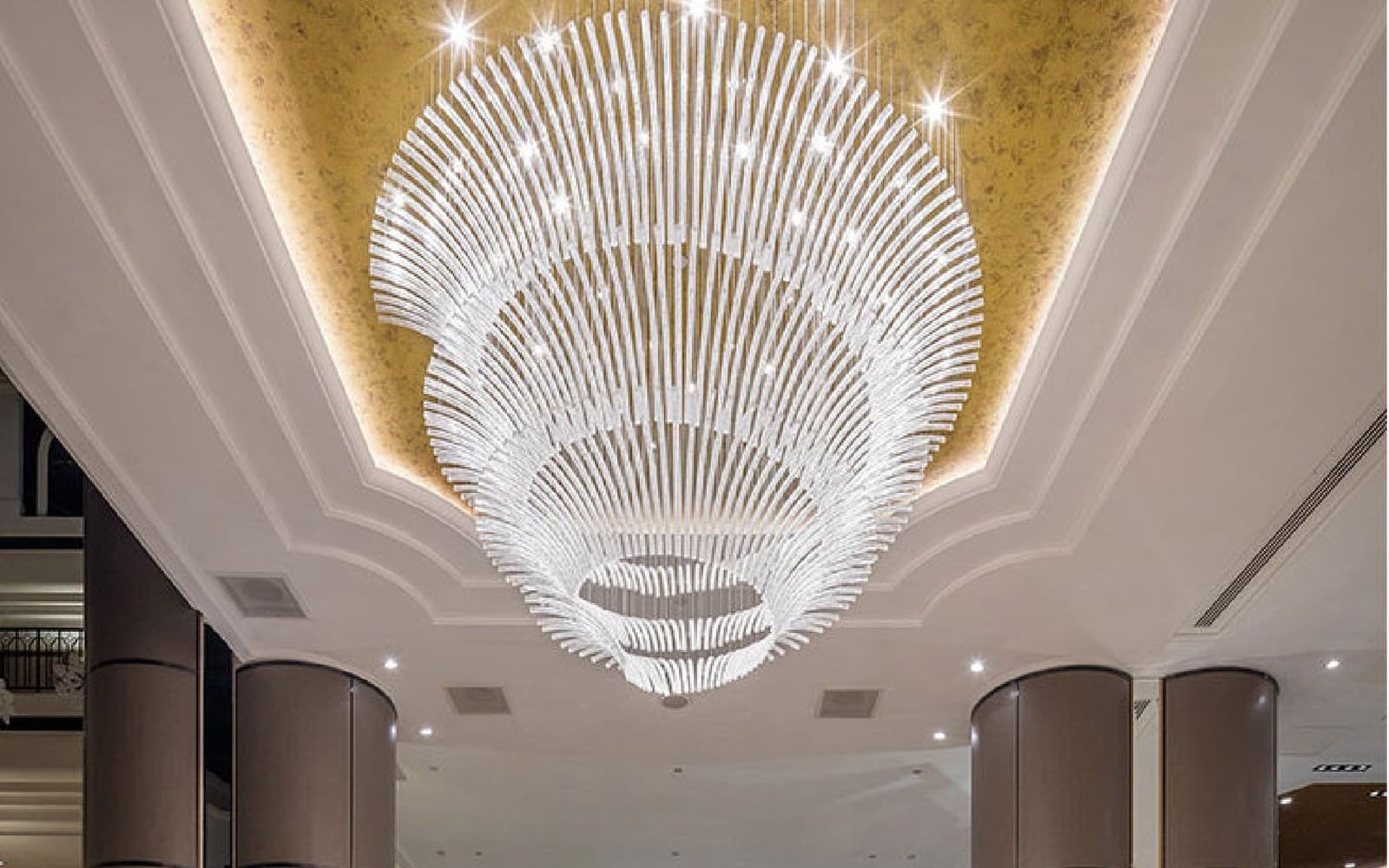
A hotel lobby may need a large feature chandelier that fits the ceiling height and arrival experience. A villa or duplex stairwell may need a vertical lighting form that works with the stair void and viewing angle. A restaurant may need warmer decorative fixtures that support atmosphere without overwhelming the interior design. A commercial reception area may need a sculptural lighting direction that supports the brand tone of the space.
George can help review decorative lighting directions based on ceiling height and ceiling condition; room scale and viewing distance; interior renders and reference images; material direction and finish preference; BOQ, room schedule, and drawing requirements; desired atmosphere for hospitality, residential, or commercial use; installation condition and fixture proportion.
This helps project teams move beyond choosing a beautiful light and toward a more practical direction: what form fits the space, what material direction supports the interior, and what information is needed before sourcing moves forward.
Choose Fixture Types by Area
Different interior areas need different decorative lighting roles.
Lobby and reception spaces often need feature lighting that creates a strong first impression. The fixture may need to respond to ceiling height, entrance view, seating layout, and the overall interior rhythm.
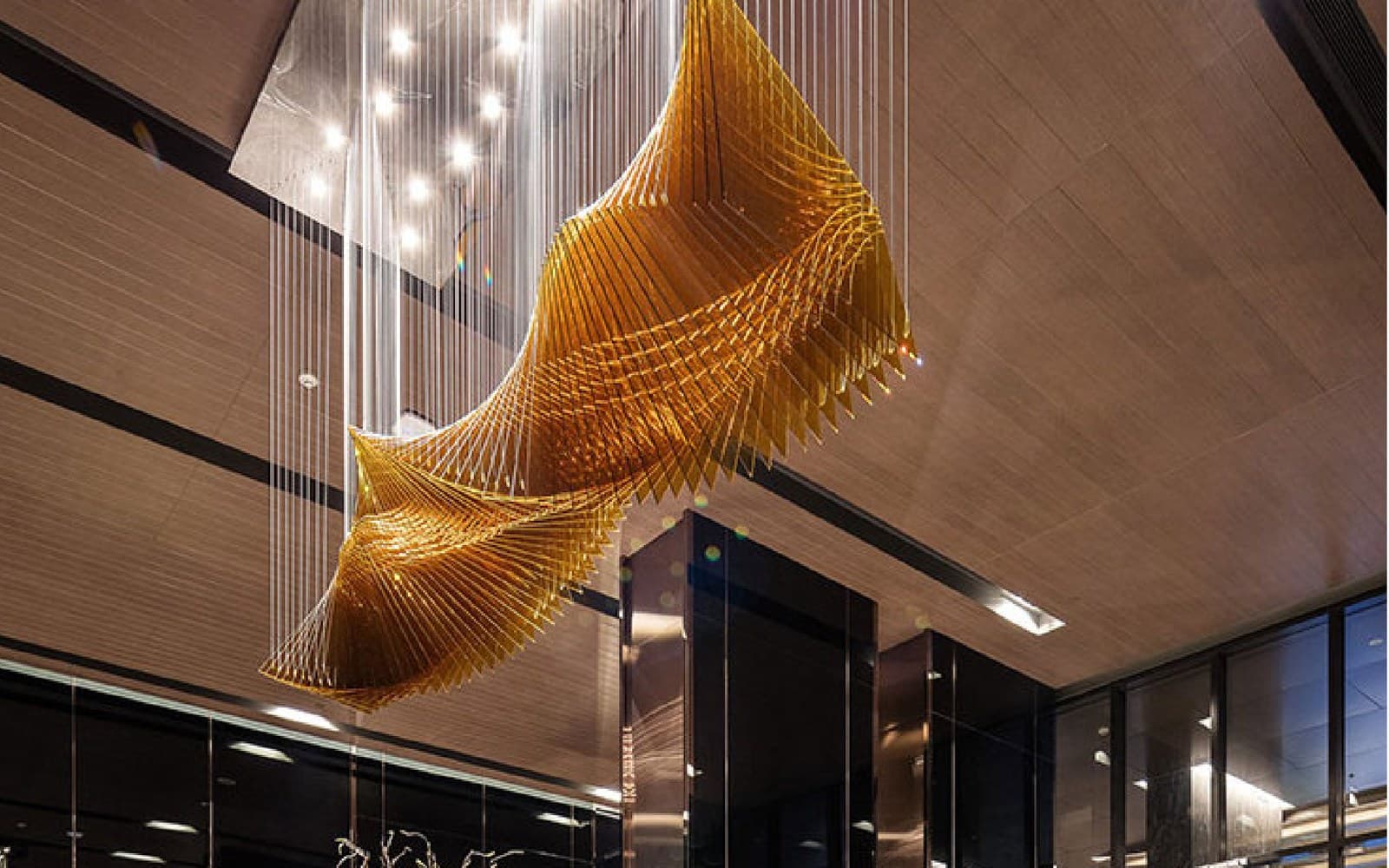
Stairwells and double-height spaces can use vertical feature lights or long chandeliers to connect upper and lower levels. These fixtures should be reviewed by drop height, viewing angle, stair layout, and installation position.
Restaurants, dining areas, and hospitality lounges may need softer decorative fixtures that support comfort and atmosphere. Pendant lights, glass fixtures, wooden lighting, and warm material directions can help shape the dining experience.
Villas, apartments, and high-end residential interiors may combine chandeliers, wall lighting, table lamps, floor lamps, and natural material directions to build a more layered interior mood.
George can help project teams review fixture type by space role instead of applying one decorative lighting style across the whole project.
Material Directions: Glass, Crystal, Alabaster, Copper, and Wood
Material direction is one of the most important parts of custom and decorative lighting selection.
Glass pendant and chandelier options can support transparent, smoky, amber, white, brown, blue, chrome, black, gold, and other visual directions depending on the interior palette. Glass lighting can be used when the project needs lightness, reflection, color variation, or a more sculptural fixture expression.

Crystal lighting can support stronger feature spaces, especially where the lighting needs to feel more formal, vertical, or visually prominent. It can be reviewed for ceiling height, fixture scale, and the way the fixture appears from different viewpoints.
Alabaster-style or translucent stone-like lighting can create a softer and more atmospheric effect. This direction may suit hospitality interiors, villas, stair zones, restaurants, or spaces where the lighting should feel warm, calm, and material-rich.
Copper-style and special-shaped chandelier directions can be reviewed when the project needs a stronger finish character or a more distinctive decorative form. Finish direction should be coordinated with surrounding metal, stone, wood, wall, and furniture materials.
Wooden lighting can support warmer and more natural interiors. This direction may be suitable for restaurants, resort-style spaces, villas, leisure areas, and hospitality interiors where the project wants a softer material tone.
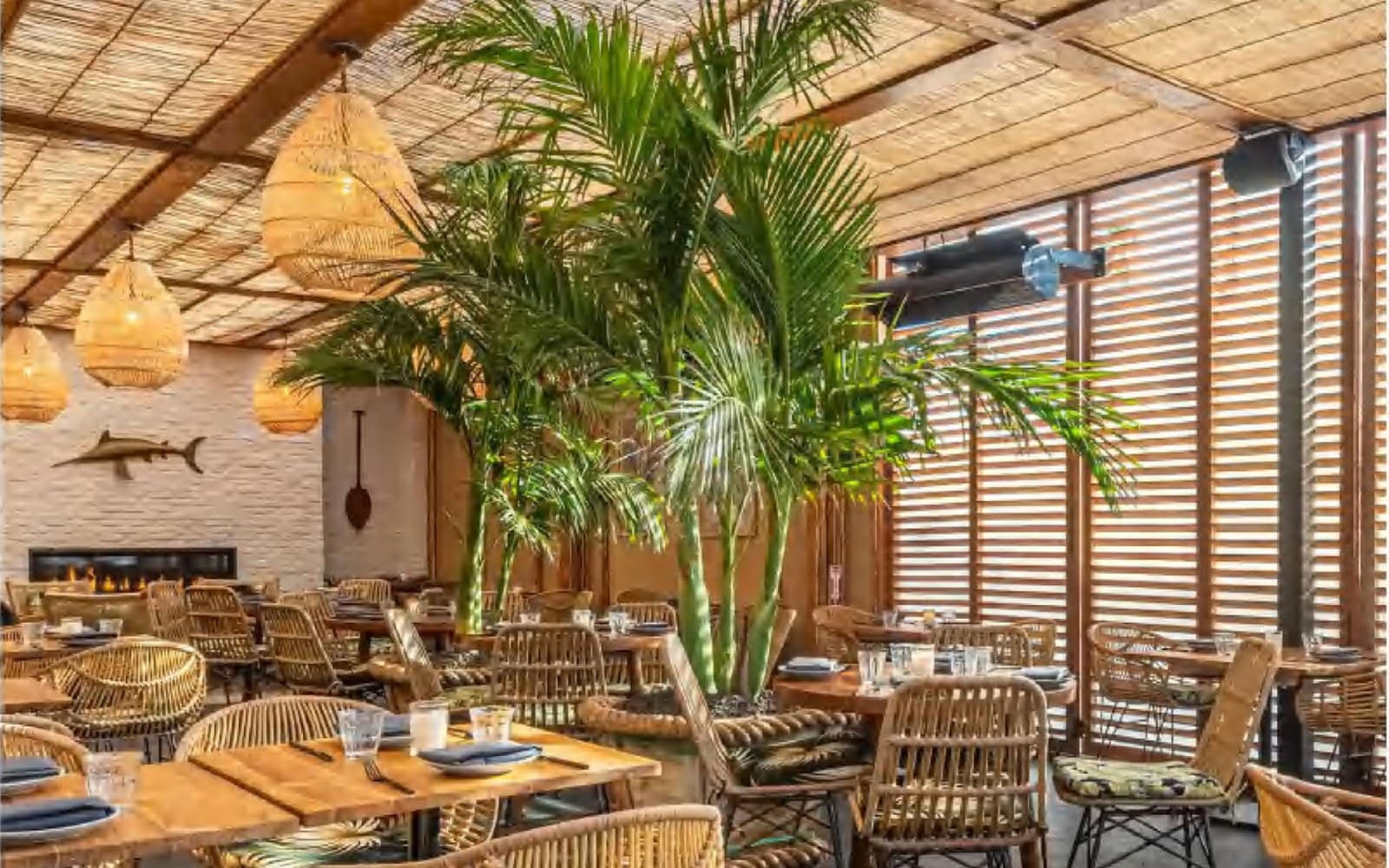
George can help review material direction together with interior style, ceiling condition, room scale, fixture proportion, and desired atmosphere.
Scale, Ceiling Height, and Installation Conditions
Decorative lighting often succeeds or fails because of scale.
A chandelier that is too small may disappear in a high ceiling space. A feature light that is too large may dominate the room or conflict with circulation, furniture, or ceiling conditions. A long stair chandelier may need to be reviewed by vertical drop, stair void, viewing angle, and installation position.
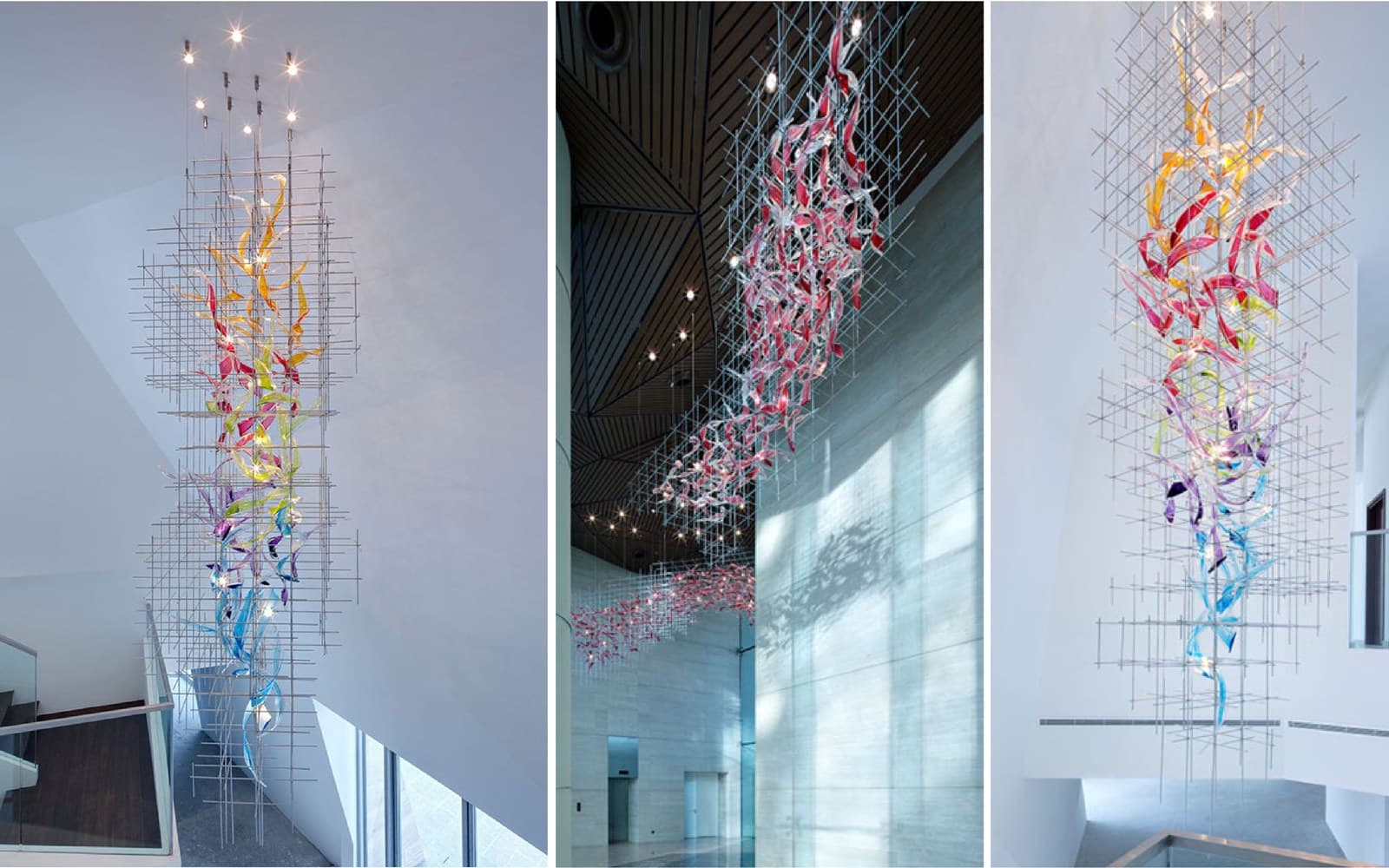
George can help project teams review custom lighting scale based on drawings, interior renders, ceiling height, room dimensions, and intended visual impact. For feature fixtures, early coordination can help clarify whether the direction should be wide, vertical, layered, ring-shaped, linear, sculptural, or material-focused.
Installation condition is also important. Before sourcing direction is finalized, decorative lighting should be checked against ceiling structure, hanging position, access for installation, fixture weight information, mounting method, wiring position, and surrounding finishes. These details can be reviewed during project coordination so the lighting direction stays practical as well as attractive.
From Drawings and Renders to Lighting Shortlists
Custom lighting coordination becomes clearer when the project team provides the right information early.
Interior renders can show the desired mood. Drawings and ceiling plans can show scale and installation positions. BOQ and room schedules can clarify quantity, area, and project scope. Reference images can help communicate style direction, material preference, and atmosphere.
George can help translate these materials into a lighting shortlist direction. This may include fixture type and space role; glass, crystal, alabaster-style, copper-style, or wooden material directions; chandelier, pendant, stairwell, wall, table, floor, or feature lighting direction; scale and ceiling height review; finish coordination with surrounding materials; and sourcing direction based on the project brief.
The goal is not to force a fixed catalog choice too early. The goal is to build a clearer custom lighting direction before sourcing and project coordination move forward.
Project Discussions Support Better Decorative Lighting Decisions
Decorative lighting often needs conversation before final selection.
A project team may have drawings, renders, and reference images, but still need help comparing fixture direction, material tone, proportion, and space fit. George can support lighting selection discussions so that custom and decorative fixture options are reviewed with the actual project context in mind.

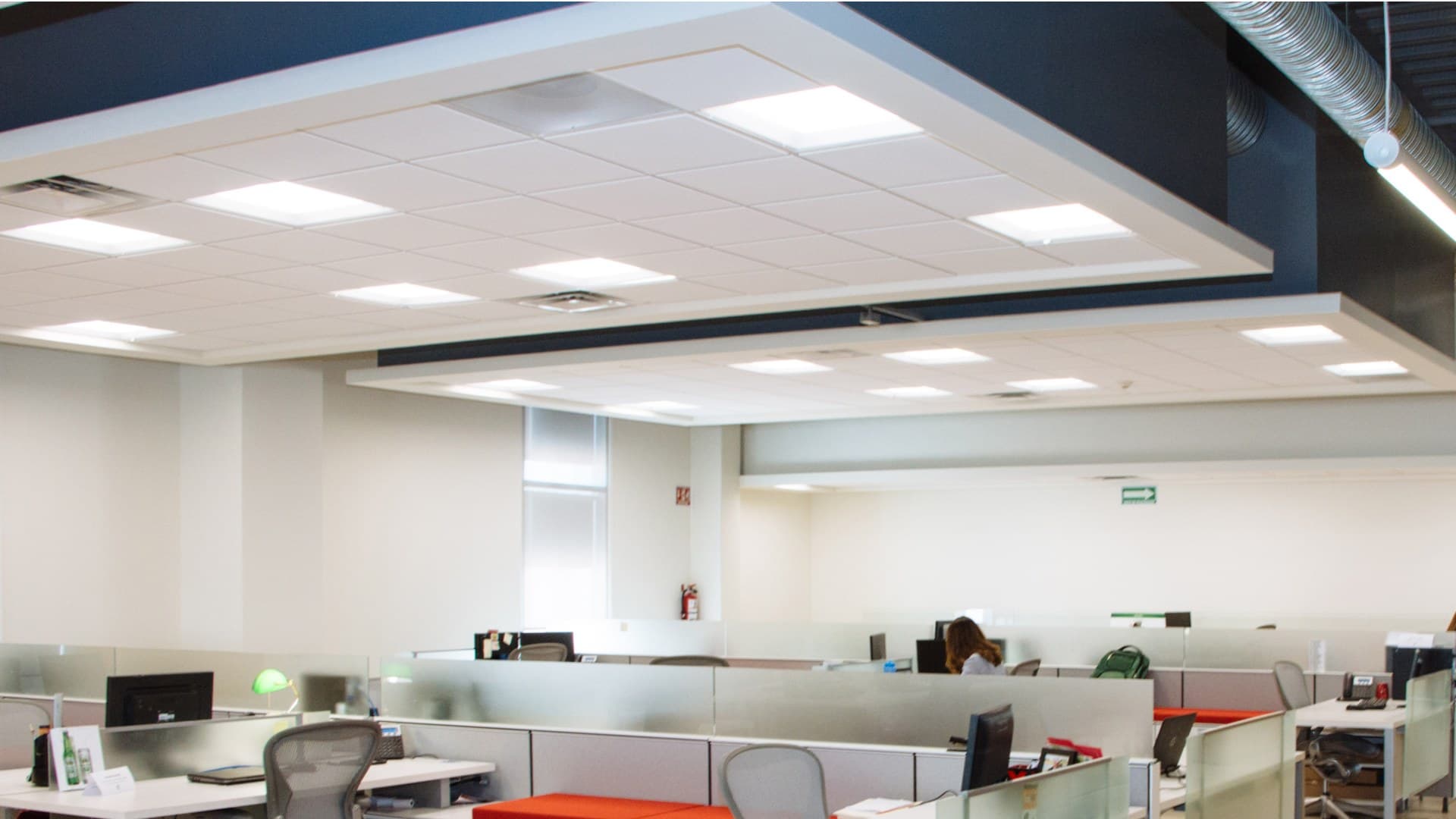
This office setting supports the discussion about client communication and early project coordination.
What to Send George for Custom Lighting Coordination
To review custom lighting and decorative fixture options more efficiently, project teams can send George floor plans and reflected ceiling plans; BOQ or lighting schedule; room schedule; ceiling height and key dimensions; interior renders or mood images; reference lighting images; material direction and finish preference; installation condition notes; target atmosphere for each space; and special requirements for lobbies, stairwells, restaurants, villas, or commercial interiors.
With these materials, George can help review suitable decorative lighting directions and coordinate the next sourcing step more clearly.
From Decorative Concept to Sourcing Direction
Custom lighting is not only about finding an attractive chandelier. It is about aligning space scale, fixture proportion, material direction, ceiling condition, installation details, and project documentation before sourcing moves forward.
George supports custom and decorative lighting sourcing as part of a wider lighting and material coordination process. From feature chandeliers and stairwell lighting to glass, crystal, alabaster-style, copper-style, wood, and hospitality decorative fixtures, our team can help review options based on the actual project brief.
Share your drawings, BOQ, room schedule, ceiling height, interior renders, reference images, material direction, installation conditions, and desired atmosphere with George. We can help review custom lighting and decorative fixture directions and coordinate a practical sourcing direction for your project.
Contact George to plan custom lighting, review wider services, browse the products area, read the related commercial lighting sourcing guide, compare the outdoor lighting selection guide, continue with the LED strip and linear lighting guide, or visit projects for broader sourcing context.