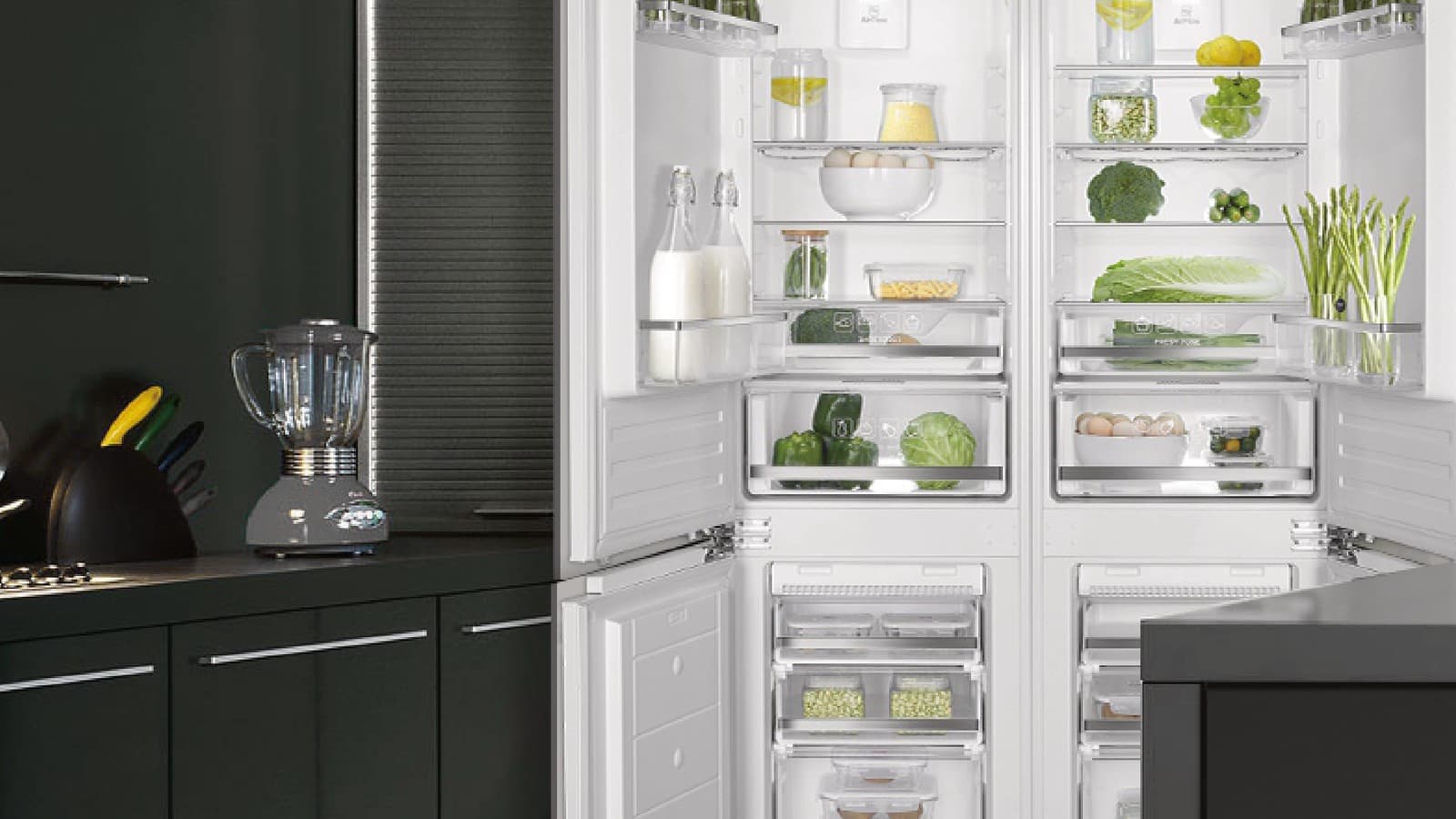
Start With Format Families, Not Product Codes
When an interior material discussion begins, it is easy to get lost in individual product codes too early.
A clearer first step is to look at format families and visual directions together. This creates a more useful starting point for design, procurement, and material coordination conversations before the shortlist becomes too detailed.
At George, we help project teams review porcelain tile directions around the spaces they are planning, the overall finish language, and the information already available in the brief.
“A well-organized tile review begins with format and visual direction—not a long list of product codes.”
Read Format and Surface Direction Together
Porcelain tile discussions are not only about size. The format, color direction, surface direction, and overall visual rhythm should be considered together.
Current material directions for review include large slab, solid color, travertine, sandstone, terrazzo, marble, luxury stone, and jade-inspired looks. These directions can help shape an early conversation around whether the project is looking for a calm and minimal surface language, a more defined stone-inspired character, or a stronger decorative expression.
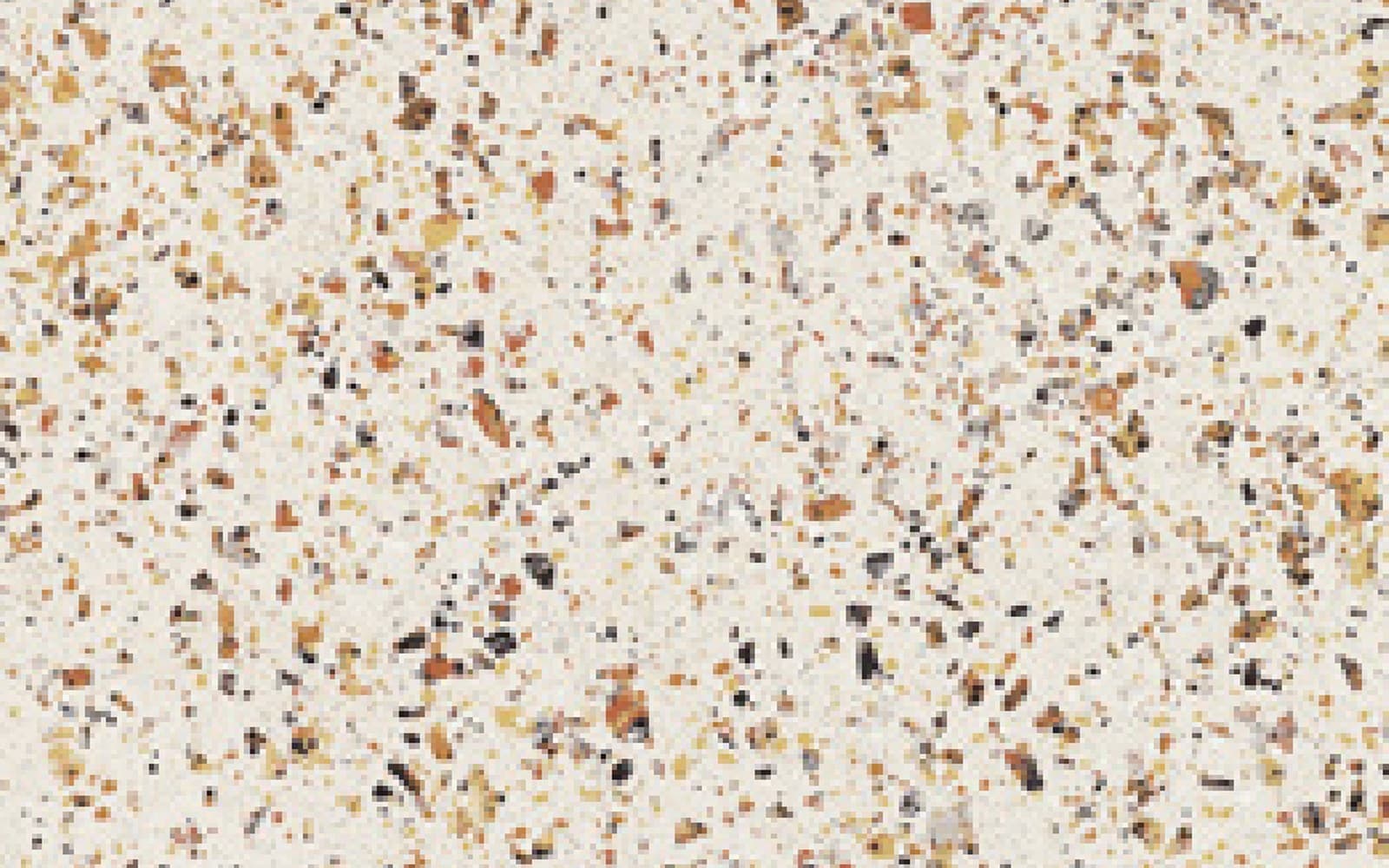
Format families can range from more compact tile directions through larger-format options, including 600 × 600, 1200 × 600, 1200 × 1200, and 1800 × 1200 dimensions shown in the available reference materials.
The goal is not to finalize every choice at this stage. It is to understand which format and visual directions should be reviewed together.
Create a Clearer Interior Material Conversation
Different interior areas can be reviewed with different levels of visual continuity, contrast, or detail in mind.
A solid-color direction with a matte surface can support a quieter, more restrained material conversation. Travertine, sandstone, terrazzo, and marble-inspired directions can be reviewed for more visible pattern, tone variation, and movement. Larger-format directions can also be considered where the brief calls for a more continuous overall surface expression.
Instead of treating each room as a separate selection exercise, it can help to ask a few simple questions early:
- Which areas should feel connected through a shared material language?
- Where should the surface remain calm and understated?
- Which spaces may need a stronger stone, terrazzo, or decorative direction?
- Which format families should be reviewed before the shortlist becomes more specific?
A clearer starting point makes the next material conversation easier to manage.
Keep Final Selections Open for Project Review
An early tile brief does not need to contain every final finish, format, or combination.
You may already have a partial finish schedule, reference images, room information, drawings, or simply a clear idea of the atmosphere you want to create. George can help review porcelain tile formats and surface directions around the information you already have.
As the project develops, the discussion can move naturally into more focused visual coordination, format review, and material matching.
Start the Conversation With George
You do not need a complete material schedule before getting in touch.
Start with a short message and tell us what interior area you are planning. Share the visual direction, reference images, or project information you already have, and George can help review porcelain tile formats and surface directions for the next stage of your project.