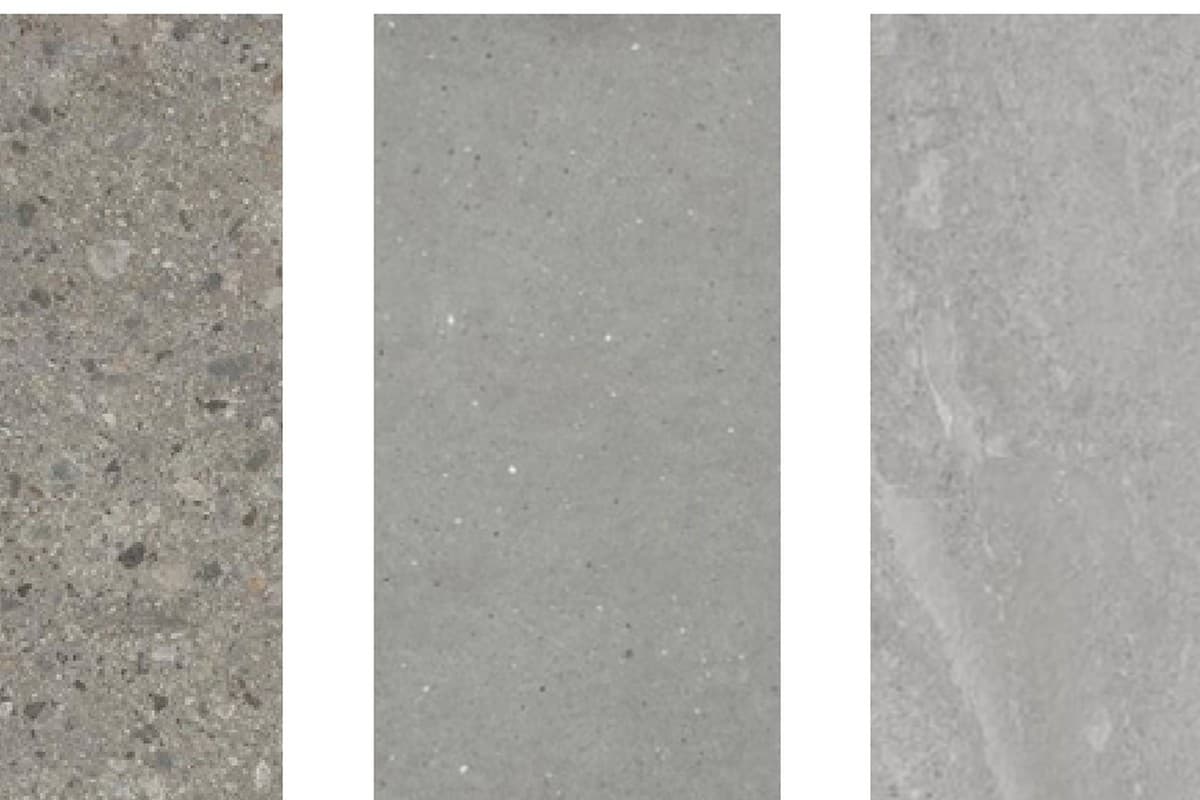
Sintered Stone Slabs
Explore clean texture, marble-inspired, onyx-inspired, limestone-look, sandstone-look, cement, terrazzo, travertine-look, bookmatch, and wood-look directions when scale and visual character are central to the discussion.
Surface Directions for Project Coordination
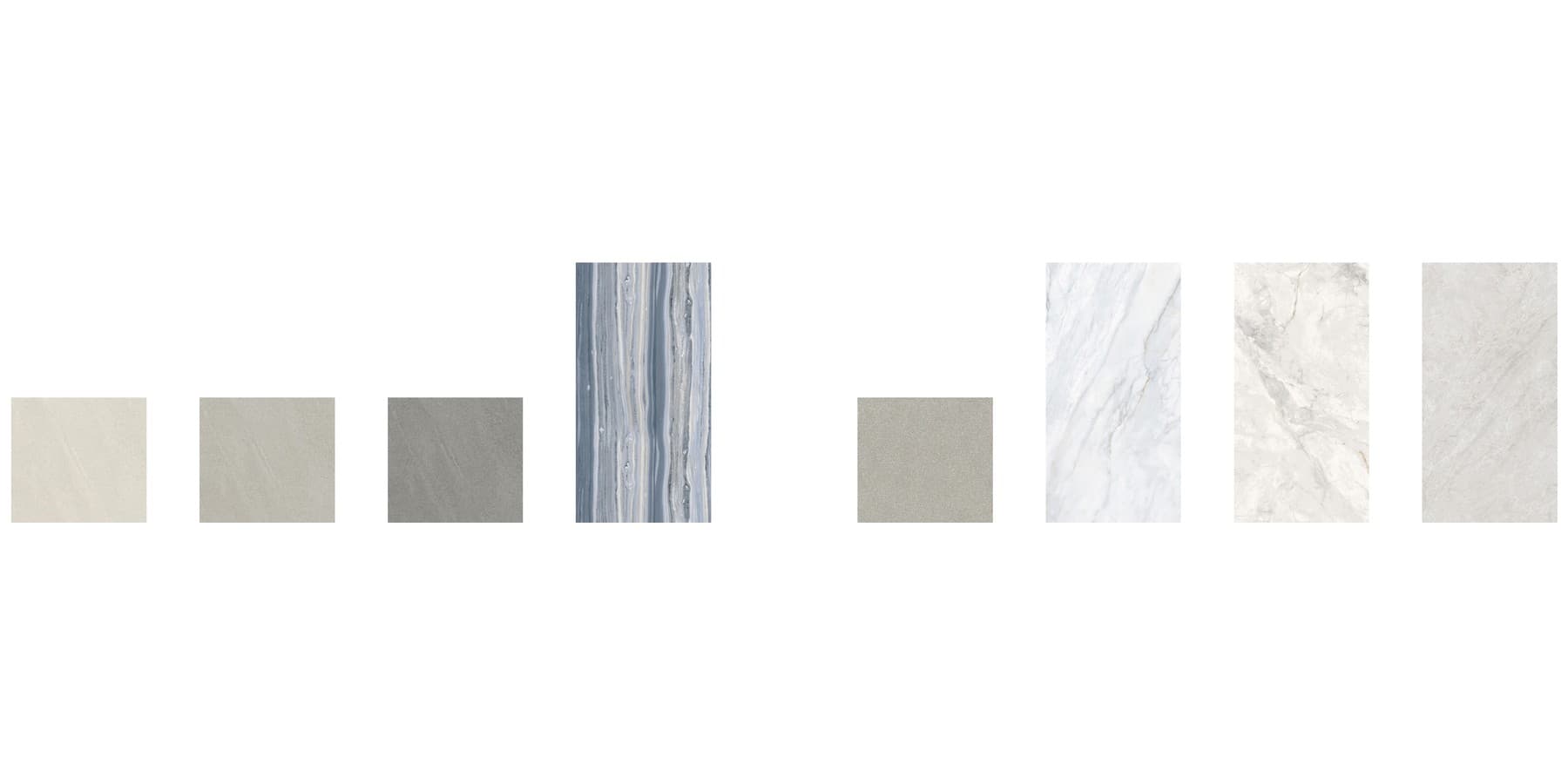
Bring the surface direction into focus.
George helps project teams turn early references into a clearer material conversation across tiles, sintered stone, and ceramic surfaces. Start with the visual language taking shape in your project, then move into a more focused review with the references, ideas, and files you already have.
A strong material brief does not need to begin with a crowded list of product codes. It can begin with the overall visual direction: quieter and more restrained, stone-inspired and expressive, pattern-led, or focused around a decorative detail.
George can help review the material families below as part of an early project conversation.
Explore clean texture, marble-inspired, onyx-inspired, limestone-look, sandstone-look, cement, terrazzo, travertine-look, bookmatch, and wood-look directions when scale and visual character are central to the discussion.
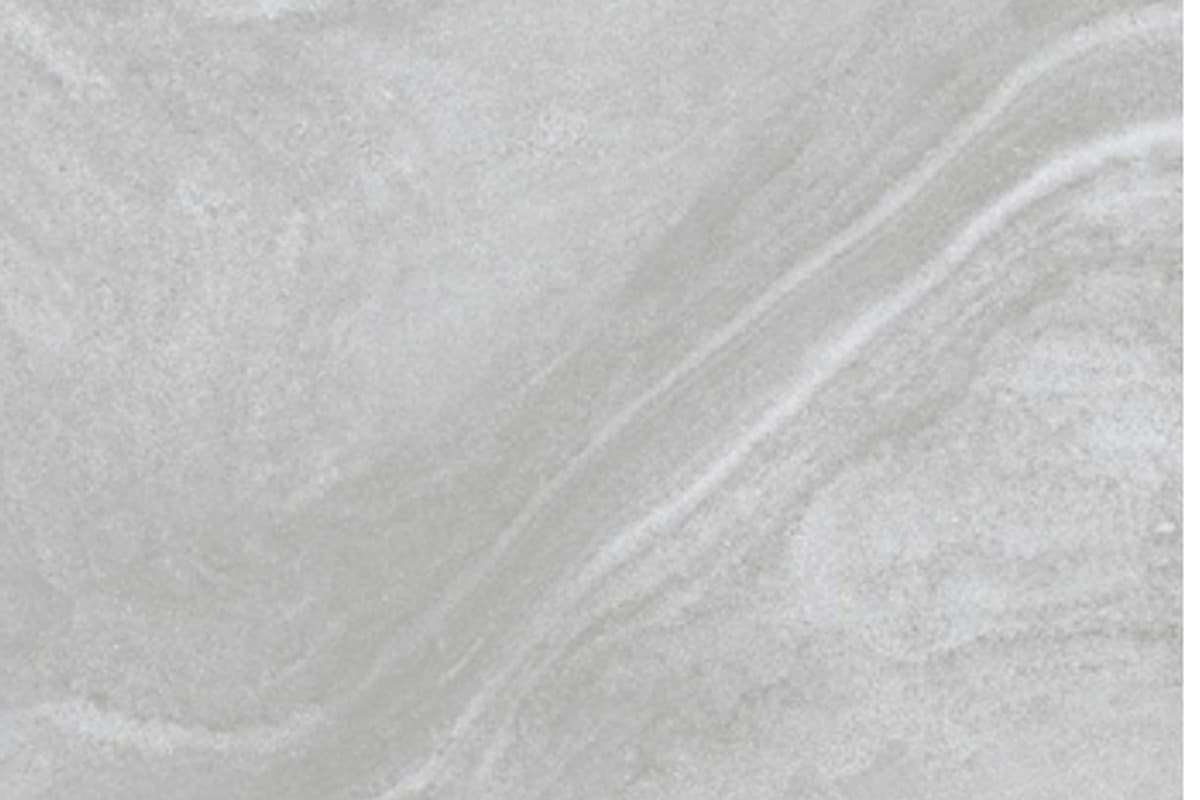
Review large slab, solid color, travertine, sandstone, terrazzo, marble, expressive stone-inspired, and jade-inspired directions for a more considered interior material palette.
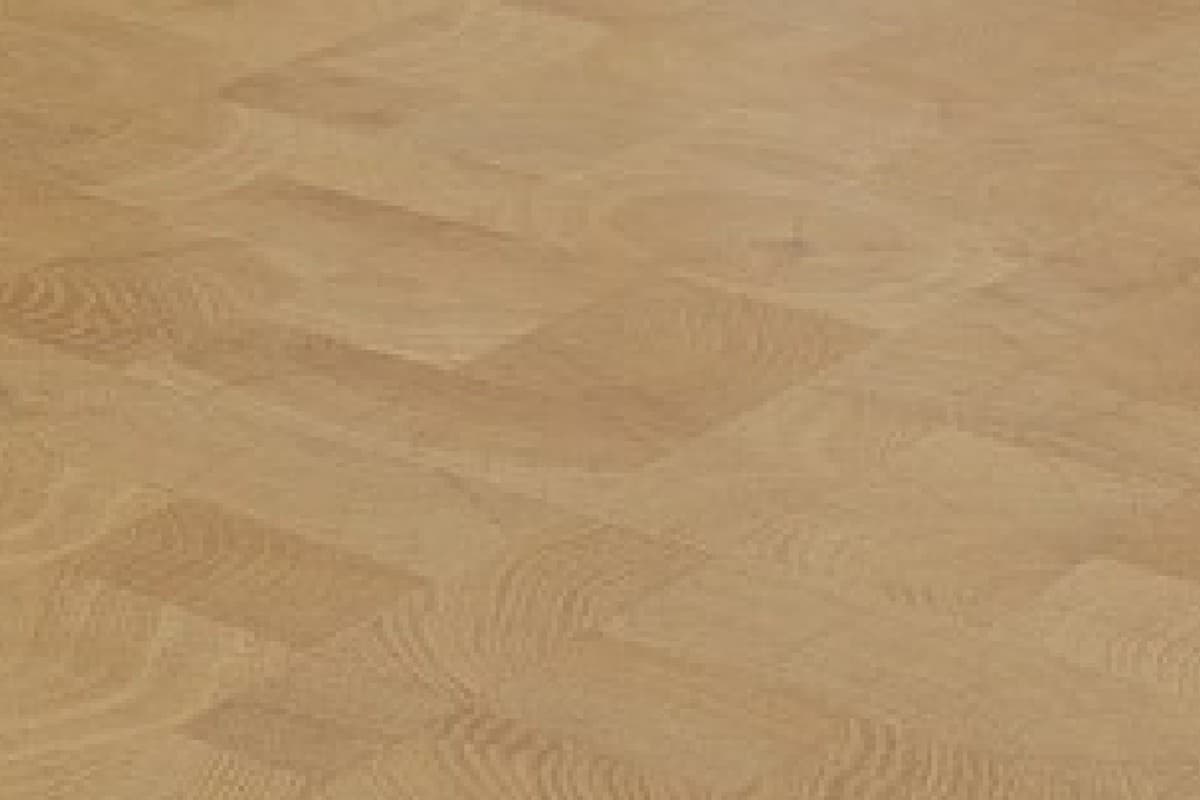
Explore surface directions with more layered pattern, texture-led character, or a distinct visual rhythm within the wider material palette.
Bring exterior paver, paving, and outdoor-facing surface directions into the wider conversation when the brief includes outdoor-facing areas.
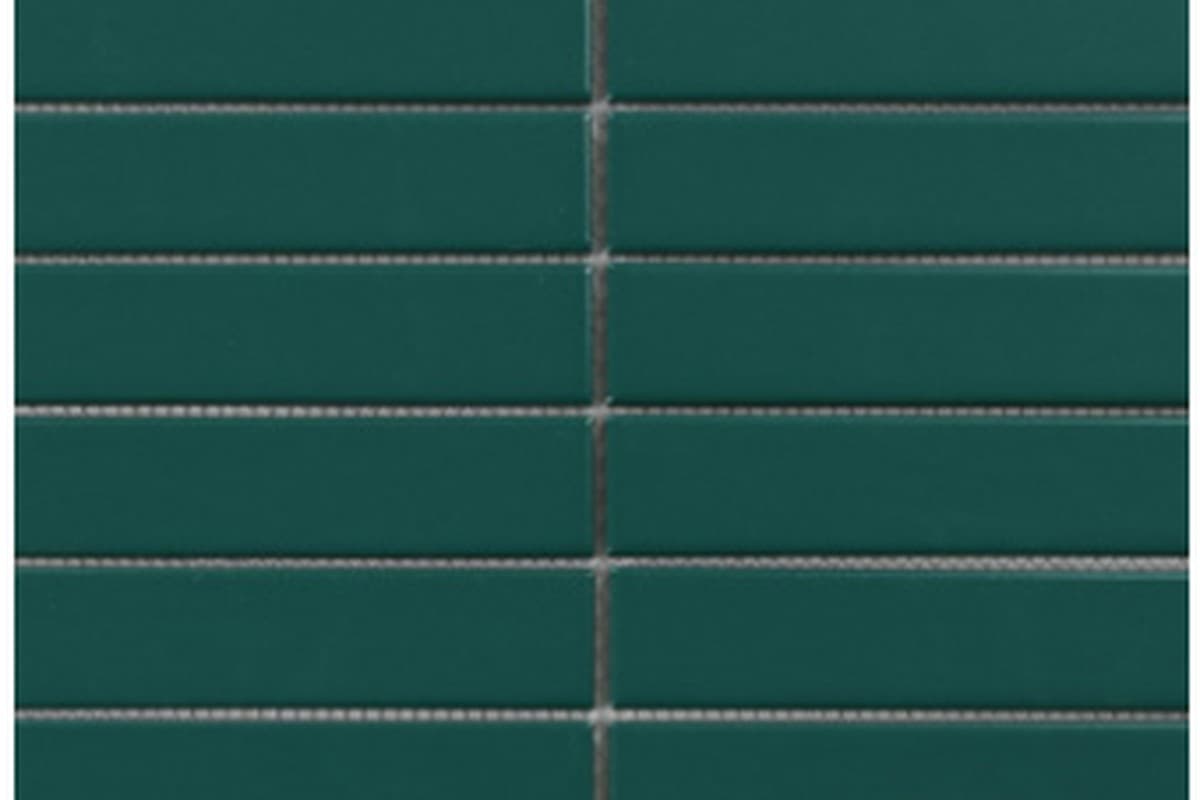
Explore square, rectangle, organic or irregular, and larger-format mosaic directions alongside antique-style, geometric, and minimalist decorative ceramic expressions.
A productive material conversation can begin with a broad mood board, a few reference images, a partial finish schedule, or an early set of drawings.
George can help review how surface directions relate to the areas under discussion, nearby finishes, and the wider visual language of the project. The aim is to create a clearer starting point before moving into more detailed material coordination.
You do not need a completed material schedule before getting in touch.
Material families are often easier to review when they are considered together rather than selected one by one.
Quiet and clean directions can sit beside stronger stone-inspired expressions. Terrazzo, cement, travertine-look, and marble-inspired looks can introduce different degrees of pattern, tone variation, and movement. Wood-look, bookmatch, mosaic, and decorative ceramic directions can be reviewed where the project calls for a more distinct surface moment.
The conversation can stay open while the visual relationship between surfaces becomes clearer.
Clean texture and solid-color directions for a more restrained surface language.
Marble-inspired, onyx-inspired, limestone-look, sandstone-look, and travertine-look directions for projects exploring a more defined material character.
Terrazzo, cement, and related visual directions where pattern, tonal variation, and surface movement are part of the discussion.
Wood-look tile directions for reviewing a warmer or more linear visual rhythm within the overall palette.
Bookmatch and large-format slab directions when visual scale and visual flow are part of early planning.
Mosaic and decorative ceramic directions for areas where a smaller-scale pattern or crafted visual detail is being considered.
You do not need every answer before starting the conversation. These questions can simply help focus the next step.
Let's Start With the Direction
Tell George what you are planning. Start with the reference images, visual direction, or project files you already have, and our team can help review the surface directions for the next stage of your project.
Contact Us